
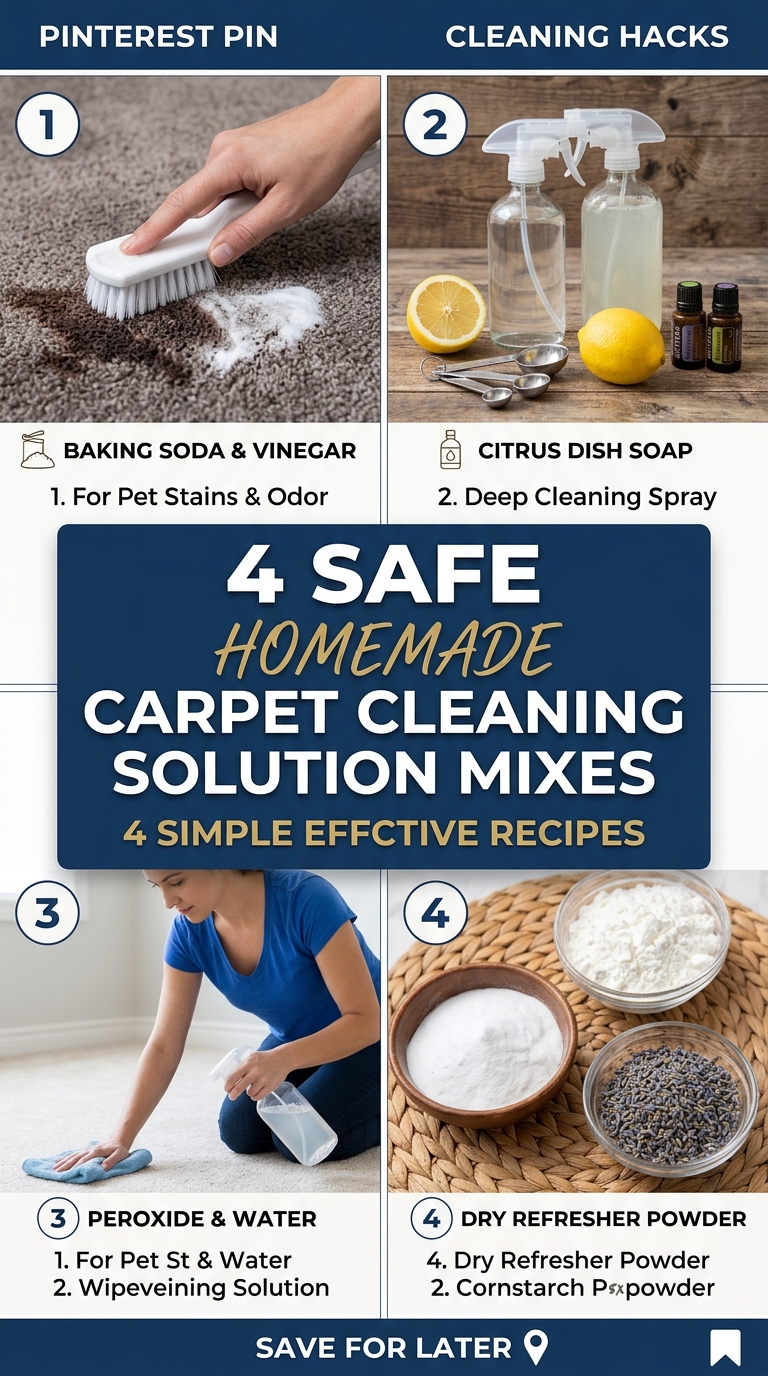
You can create effective, safe homemade carpet cleaning solution mixes using household staples like white vinegar, baking soda, and hydrogen peroxide. These DIY recipes offer a non-toxic alternative to harsh commercial chemicals, working effectively to lift stains and deodorize fibers. Simply combine the ingredients in a spray bottle, apply, and blot for a refreshed home.
[FEATURE_IMAGE_PLACEHOLDER]
Many people believe that unless a cleaner smells like a chemistry lab, it isn’t actually working. I used to think the same until I realized those heavy synthetic fragrances were just masking odors while the chemicals sat in my carpet. Homemade solutions use natural reactions—like the acidity of vinegar or the oxygenating power of peroxide—to actually break down grime rather than just covering it up.
These mixes save you a trip to the store and cost pennies compared to those heavy plastic jugs. If you want a home that is safe for crawling toddlers or pets who spend their lives on the floor, these four recipes are your best bet. Here is how they stack up against each other for different household needs.
| Product/Mix | Best For | Key Features | Pros | Cons |
|---|---|---|---|---|
| The Vinegar & Water Refresh | General cleaning | 50/50 Acidic ratio | Kills bacteria; Cheap | Temporary vinegar scent |
| The Oxygen Stain Lifter | Organic stains (Pet/Food) | Peroxide-based bubbles | Bleaches out stains | Not for dark wool |
| The Deodorizing Powder | Deep odors & dampness | Dry application | No drying time needed | Requires good vacuum |
| The Citrus Degreaser | Greasy kitchen spills | Sal Suds & Lemon oil | Cuts through oil | Needs thorough rinsing |
| Fuginator Scrub Brush | Deep agitation | Ergonomic handle | Saves your back | Manual effort required |
1. The Vinegar and Water General Refresh
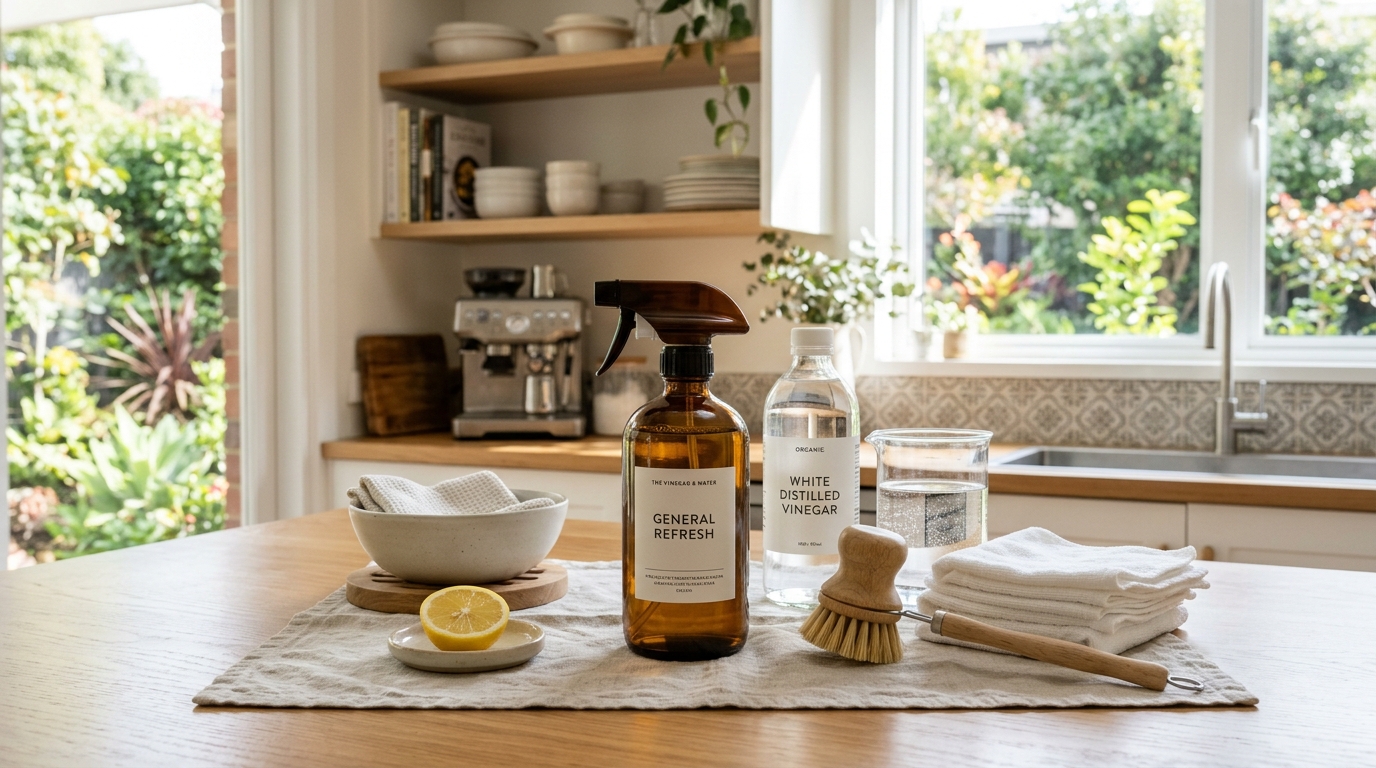
This safe homemade carpet cleaning solution mix uses a simple one-to-one ratio of distilled white vinegar and warm water to neutralize odors and lift surface dirt. The acetic acid in the vinegar breaks down the bond between dirt and carpet fibers without leaving behind a sticky residue. It is the most versatile option for routine maintenance across the entire house.
You probably have a bottle of vinegar in the pantry right now, but you might be ignoring its potential as a floor cleaner. Most people reach for a foaming spray that feels fancy, but those foams often contain “optical brighteners” that just trick your eyes. This vinegar mix actually gets into the fibers to pull out the dust that makes your carpet look gray and tired.
The beauty of this mix is its simplicity. You don’t have to worry about exact measurements or dangerous fumes. While the smell of vinegar is strong when you first spray it, it completely vanishes as it dries, taking the bad smells—like wet dog or old cooking odors—along with it. It is the ultimate “set it and forget it” cleaner for a busy Saturday morning.
Performance & Build Quality
The performance relies on the acidity of the vinegar. While it isn’t a “heavy hitter” for deep red wine stains, it is unsurpassed for general brightening. Because it doesn’t contain soaps, it won’t leave a film that attracts more dirt later. This means your carpets actually stay clean longer compared to using commercial shampoos.
Real-World Experience
Imagine a rainy Tuesday where the dog runs through the living room with muddy paws. Instead of dragging out a heavy machine, you grab your pre-mixed vinegar bottle, spray the tracks, and blot. Within ten minutes, the tracks are gone. Another scenario involves a spill of sugary juice; the vinegar cuts the stickiness immediately, preventing a “crunchy” spot later.
Owners often mention how surprised they are that the vinegar smell disappears so quickly. A common complaint is that it doesn’t provide that “fresh laundry” scent some people crave. Users frequently report that adding five drops of lemon or eucalyptus essential oil solves this scent issue perfectly without affecting the cleaning power.
Ease of Use & Value for Money
This is the cheapest cleaning solution on the planet. A gallon of vinegar costs less than a fancy coffee and can clean your entire house several times over. There is zero learning curve; if you can squeeze a spray trigger, you can use this. It saves you the high cost of specialized carpet detergents that often cost twenty times as much per ounce.
Who Should Buy It (and Who Should Skip)
- Best For: Budget-conscious families, pet owners, and people with chemical sensitivities.
- Main Features: 1:1 ratio, natural disinfectant, non-toxic, residue-free.
- Pros: Extremely affordable, safe for all synthetic carpets, removes odors permanently.
- Cons: Initial strong scent, not effective on deep oil-based stains.
If you want a reliable, daily-use cleaner that won’t break the bank or harm your pets, this vinegar mix is the absolute standard. There is no reason to spend more on store-bought bottles when this works just as well for general upkeep.
2. The Oxygen Stain Lifter (Peroxide Mix)
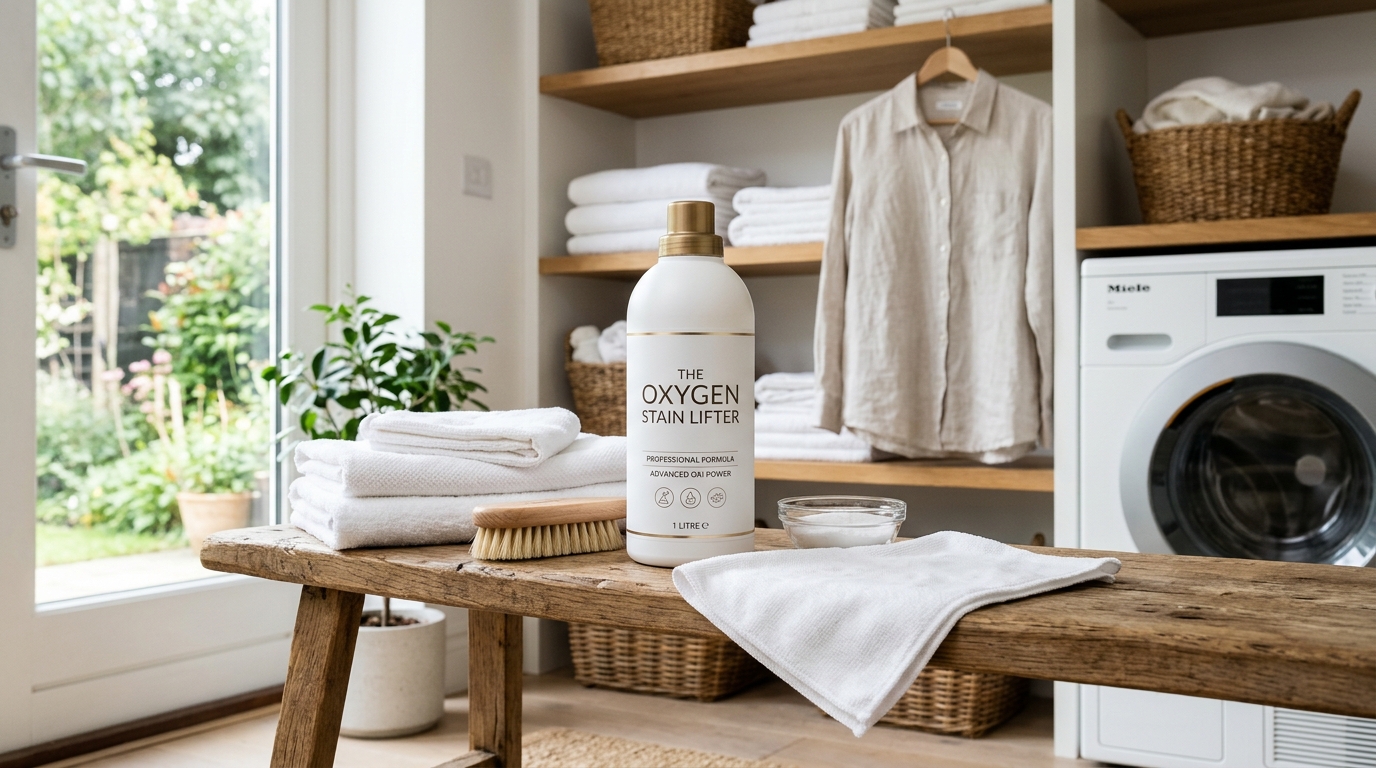
The Oxygen Stain Lifter is a powerful safe homemade carpet cleaning solution mix made from 3% hydrogen peroxide and a drop of clear dish soap. It works through oxidation to “eat” organic stains like blood, wine, or pet accidents. This mix is the best alternative to expensive “Oxi” branded commercial sprays that often contain unnecessary fillers.
Organic stains are the worst because they contain proteins and pigments that bond to the carpet. If you’ve ever stared at a red wine spill in horror, this is the solution you need. The peroxide reacts with the stain, creating tiny bubbles that lift the pigment to the surface so you can blot it away effortlessly.
I like this mix because it does the hard work for you. You don’t have to scrub until your arm hurts. You just apply it, wait for the fizzing to stop, and watch the stain disappear. It is particularly effective on light-colored carpets where stubborn stains tend to leave a “ghost” outline after a normal cleaning.
Performance & Build Quality
Hydrogen peroxide is a mild bleach, so its performance is aggressive on stains. When mixed with a degreasing dish soap, it tackles both the pigment and the oily residue of the spill. It is significantly more effective than water alone and rivals professional-grade spot removers in head-to-head tests on organic matter.
Real-World Experience
Think about a kid dropping a bowl of spaghetti on a cream-colored rug. You scrape up the bulk, spray this peroxide mix, and let it sit. Within five minutes, the orange tint is gone. In another scenario, a pet has an accident on the rug; this mix kills the bacteria causing the odor while removing the yellowing.
Users frequently report that this mix works like magic on old stains they thought were permanent. A common complaint, however, is that it can bleach dark or delicate carpets if left too long. Owners often mention the importance of doing a “spot test” in a closet before using it in the middle of the room.
Ease of Use & Value for Money
This mix is incredibly easy to make in small batches. Since peroxide loses its “fizz” when exposed to light, you just mix what you need. It is much cheaper than specialized pet-stain removers. One bottle of peroxide and a drop of dish soap costs maybe fifty cents per use, saving you tons of money over time.
Who Should Buy It (and Who Should Skip)
- Best For: Homes with pets, toddlers, or light-colored carpeting.
- Main Features: Oxidizing action, protein-breaking enzymes, fragrance-free.
- Pros: Lifts red wine and blood, kills bacteria, very inexpensive.
- Cons: Can discolor dark or colorful rugs, must be mixed fresh.
For those dealing with organic “disasters” on a regular basis, this peroxide lifter is a life-saver that replaces expensive enzyme cleaners. Keep these ingredients on hand to stop stains before they set into the fibers forever.
3. The Deodorizing Baking Soda Powder
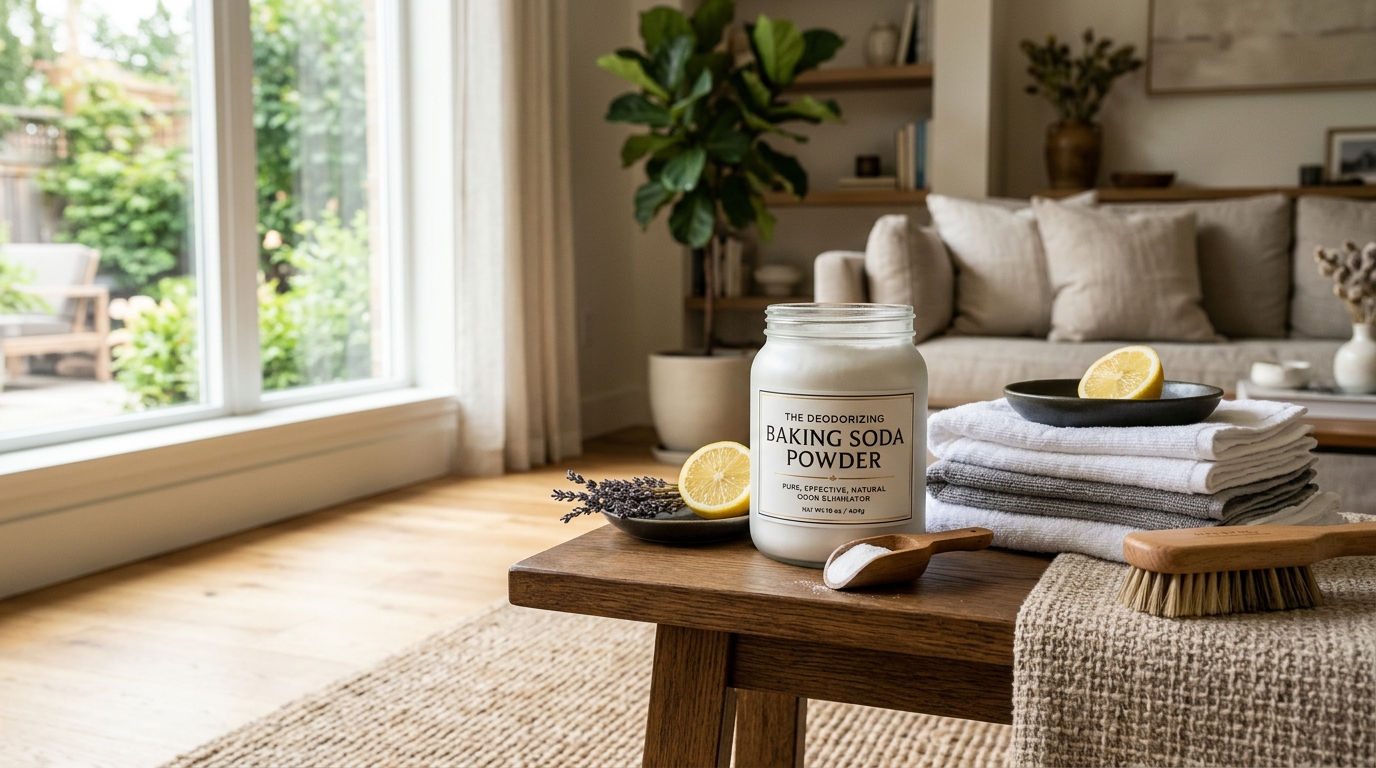
This dry safe homemade carpet cleaning solution mix consists of baking soda infused with essential oils to pull moisture and odors out of carpet fibers. It is the perfect choice for high-traffic areas or rooms that feel “musty” but don’t have visible stains. You simply sprinkle, wait, and vacuum it up to leave your home smelling fresh.
Sometimes you don’t want to get your carpets wet. Drying time can be a pain, especially if you have kids or pets running around. This dry powder method allows you to freshen up the room without the four-hour wait for the floor to dry. It’s the “dry shampoo” equivalent for your floors.
Baking soda is a natural odor absorber, not just a cover-up. It works by neutralizing the pH of acidic or basic odor molecules. When you add a few drops of lavender or lemon oil, you create a customized scent that is light and airy. It is the best way to handle that “old house” smell that tends to settle into floor coverings.
Performance & Build Quality
The fine particles of the baking soda act like tiny sponges. They sink deep into the carpet pile and grab onto oily dust and microscopic odor particles. While it doesn’t “clean” in the sense of removing mud, it is the best performance tool for air quality and texture. It leaves the carpet feeling softer and fluffier after a good vacuuming.
Real-World Experience
Consider a basement family room that smells a bit damp after a humid week. You sprinkle this powder over the floor, go have lunch, and vacuum it up. The mustiness is replaced by a clean, subtle scent. Another use case is cleaning up after a small liquid spill that has already been blotted; the powder pulls out the remaining moisture to prevent mold.
Owners often mention how much better this is than store-bought carpet powders which can be overwhelmingly floral. A common complaint is that if you use too much, it can take two or three passes with the vacuum to get it all out. Users frequently report that a high-quality HEPA vacuum is the best companion for this method.
Ease of Use & Value for Money
If you can shake a salt shaker, you can do this. You can even reuse an old parmesan cheese container to make the “sprinkler.” In terms of value, a large bag of baking soda is incredibly cheap. You get a massive amount of cleaning power for a tiny investment, making it a sustainable choice for weekly chores.
Who Should Buy It (and Who Should Skip)
- Best For: People with allergies, basement owners, and those who hate wet carpets.
- Main Features: pH neutralization, moisture absorption, customizable scent.
- Pros: Zero drying time, safe for all carpet types, improves air quality.
- Cons: Requires a strong vacuum, can be messy if spilled in large amounts.
If you want a fresh-smelling home without the hassle of wet floors, this baking soda powder is the most efficient tool in your cabinet. It is a simple, effective ritual that makes your living space feel much more inviting.
4. The Heavy-Duty Sal Suds Degreaser
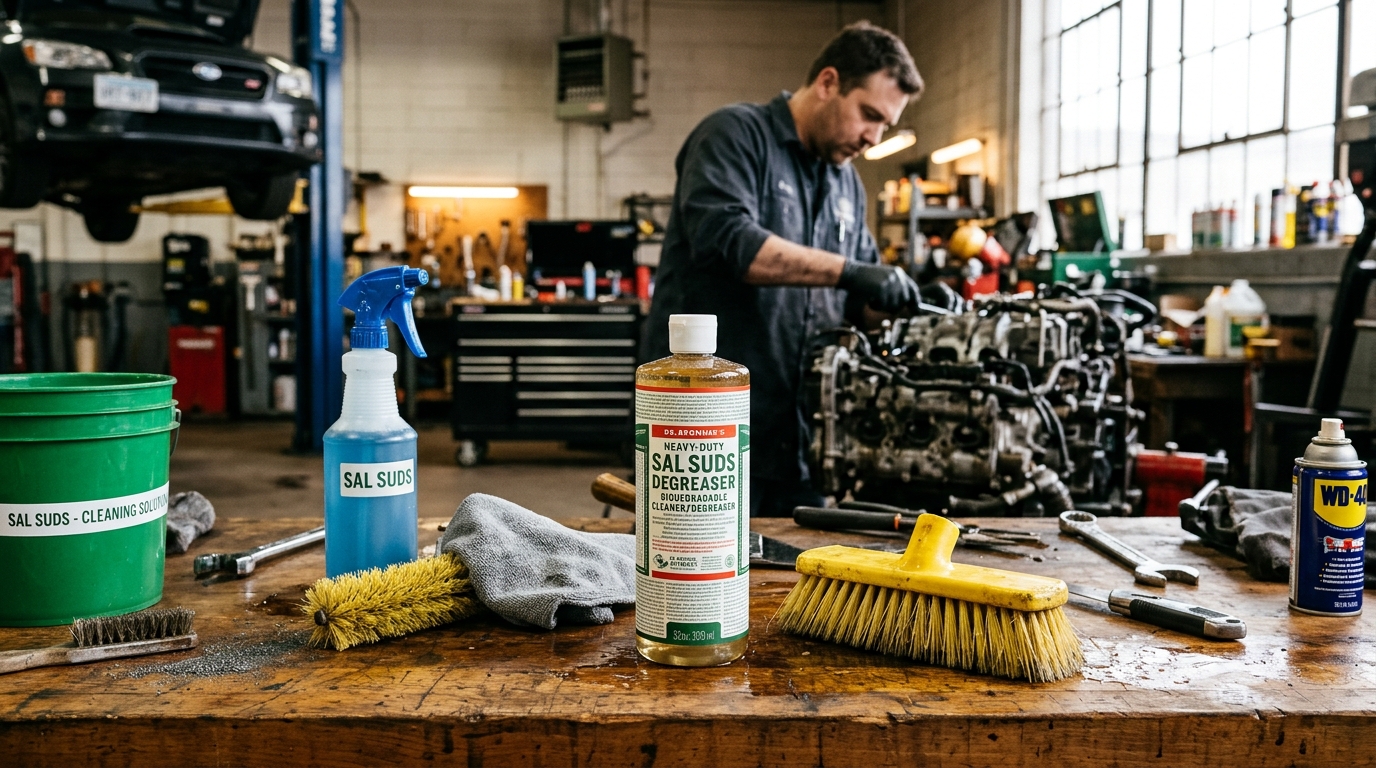
This concentrated safe homemade carpet cleaning solution mix uses plant-based surfactants to tackle grease, oil, and heavy grime. By mixing a small amount of Sal Suds with warm water, you create a powerful degreaser that is safe for skin and pets but tough enough for “garage-to-living-room” tracks. It is the heavy hitter of the DIY world.
Sometimes vinegar just isn’t enough. If you have grease from the kitchen or oil from a bike repair that made its way onto the carpet, you need a surfactant. This mix works by surrounding oil molecules and pulling them away from the carpet fibers so they can be rinsed away. It’s essentially a pro-level shampoo you mix yourself.
I love using this because it produces a very controlled sudsing. Unlike regular dish soap which can create a “bubble nightmare” that is impossible to rinse out, this specific cleaner is designed to be free-rinsing. You get the cleaning power of a industrial detergent with the peace of mind of a biodegradable, plant-based formula.
Performance & Build Quality
The performance here is focused on breaking surface tension. It is particularly good at reviving the color of high-traffic “lanes” in hallways. Because it is highly concentrated, a tiny amount goes a long way. It cuts through the sticky film that often develops on carpets near the kitchen or entryway better than any other homemade option.
Real-World Experience
Picture someone walking through the house with greasy work boots. You don’t panic; you mix a teaspoon of this in a spray bottle. You spray, agitate slightly, and the black grease spots just dissolve. Another scenario is a holiday party where oily appetizers get dropped; this mix handles the grease spots so they don’t turn into permanent dirt magnets.
Users frequently report that this cleaner works better than many rented machine soaps. A common complaint is that it is easy to over-concentrate the mix, which leads to a lot of rinsing. Owners often mention that “less is more” with this specific formula to ensure the carpet doesn’t feel soapy afterward.
Ease of Use & Value for Money
While the initial bottle costs more than vinegar, it lasts for years because you only use a teaspoon at a time. It is an incredible value for a heavy-duty cleaner. It is slightly more work than the vinegar method because you should follow up with a plain water rinse, but the results are worth the extra two minutes.
Who Should Buy It (and Who Should Skip)
- Best For: Kitchen-adjacent rugs, entryways, and heavy grease stains.
- Main Features: Plant-based surfactants, biodegradable, highly concentrated.
- Pros: Incredible degreasing power, mild scent, works in carpet machines.
- Cons: Requires a water rinse, can be too sudsy if over-measured.
When you are facing the kind of grime that normal cleaners can’t touch, this Sal Suds mix is your secret weapon. It provides industrial-strength results without the industrial-strength toxins, making it a must-have for any busy household.
5. Fuginator Scrub Brush
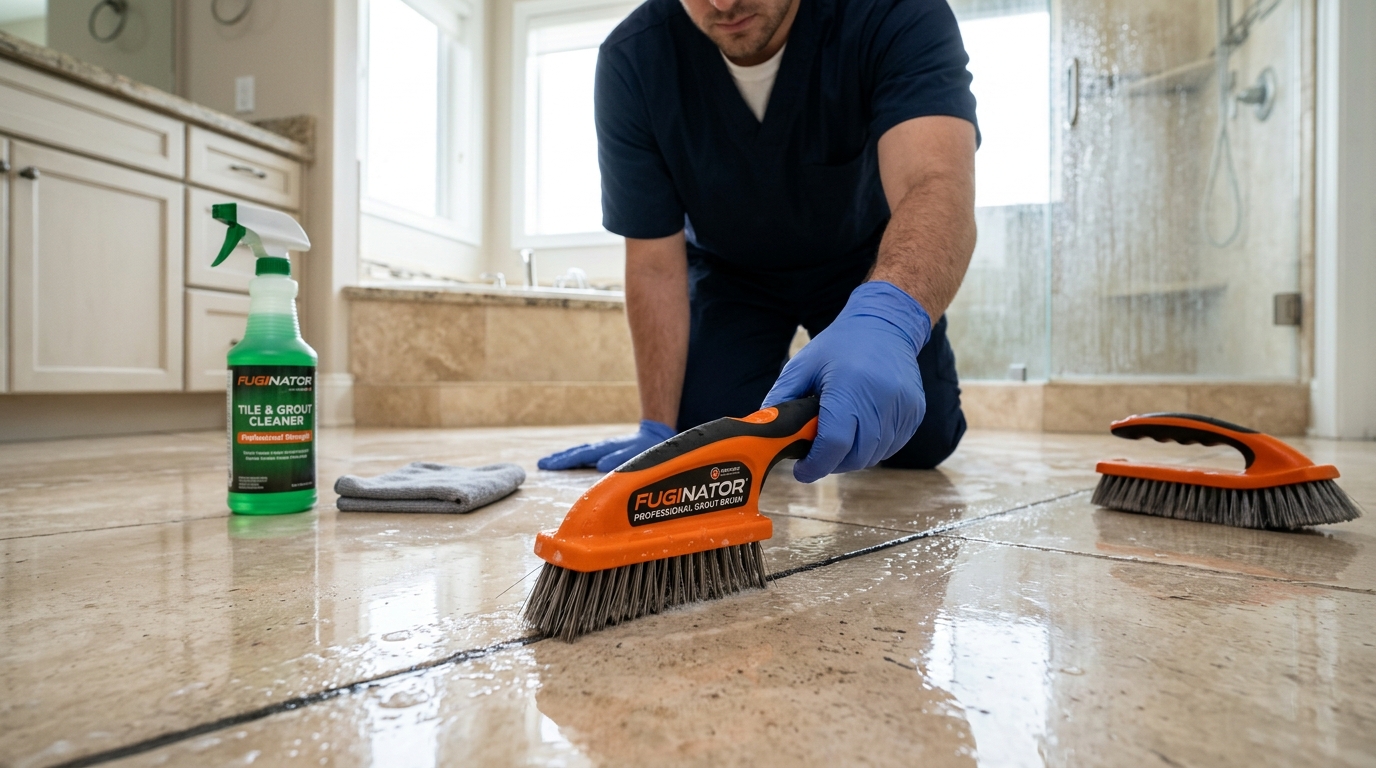
The Fuginator is a specialized agitation tool that makes your safe homemade carpet cleaning solution mix work twice as hard with half the effort. While your spray does the chemical work, this brush provides the mechanical action needed to loosen dirt from deep within the pile. Its ergonomic handle protects your wrists while providing maximum leverage.
Spray-and-blot works for small spills, but for real cleaning, you need agitation. If you just spray and let it sit, the dirt often just sinks deeper. Using a dedicated brush like this ensures that the cleaning solution reaches every side of the carpet fiber, ensuring a 360-degree clean that looks professional.
I recommend this specific brush because of the handle design. Most people use an old rag or a cheap plastic brush that hurts their hands after five minutes. This one lets you apply downward pressure easily. It turns a chore into a quick task, allowing you to get through an entire room without feeling like you’ve done a full-body workout.
Performance & Build Quality
The bristles are stiff enough to move carpet fibers but flexible enough not to tear them. The “build quality” is solid—it’s a single piece of heavy-duty plastic that won’t snap under pressure. It is designed to get into corners and along baseboards where dirt tends to hide, making it much more effective than a standard flat brush.
Real-World Experience
Imagine trying to clean a dried mud stain. You spray your vinegar mix, but the mud is caked on. You use the Fuginator for thirty seconds, and the mud breaks into a fine slurry that is easy to blot up. In another scenario, you use it to “groom” the carpet after cleaning, which helps the fibers stand up straight and dry faster.
Owners often mention that they never realized how much dirt was “stuck” until they used a proper brush. A common complaint is that it is a manual tool, so for a massive house, your knees might get tired. Users frequently report that pairing this with a set of knee pads makes them feel like a professional cleaning crew.
Ease of Use & Value for Money
This is a “buy it once” tool. It doesn’t require batteries or a cord. Compared to the cost of renting a carpet cleaner every few months, this brush pays for itself in one use by making your manual spot-cleaning much more effective. It is intuitive and incredibly durable.
Who Should Buy It (and Who Should Skip)
- Best For: People who prefer spot-cleaning over heavy machines, and those with stairs.
- Main Features: Ergonomic “finger-grip” handle, angled bristles, heavy-duty construction.
- Pros: Increases cleaner effectiveness, saves your wrists, reaches corners easily.
- Cons: Requires manual labor, not for very delicate silk rugs.
If you are committed to using homemade cleaners, you need a way to work them into the carpet effectively. This brush is the missing link that makes DIY cleaning look as good as a professional service. There’s no reason to struggle with old rags when this tool exists.
Comprehensive Buying Guide
The Importance of Water Quality in DIY Mixes
Most people just use water straight from the tap, but this can be a mistake if you have hard water. Minerals like calcium and magnesium can react with your soaps or vinegars, leaving behind a white chalky residue or making the cleaner less effective. If your tap water is hard, consider using distilled water for your mixes; it is inexpensive and ensures the solution remains pure and powerful.
Choosing the Right Spray Bottle
Not all spray bottles are created equal. Since many of these mixes use vinegar or peroxide, you want a bottle made of high-density polyethylene (HDPE) or glass. Cheap plastic can degrade over time when exposed to acidic vinegar. Additionally, for the peroxide mix, using an opaque or dark-colored bottle is vital because light breaks down hydrogen peroxide, turning it into plain water and losing its cleaning power.
Common Mistakes to Avoid
The biggest mistake is over-wetting the carpet. Carpets have a backing and a pad underneath; if you soak them, that moisture gets trapped and can lead to mold or a “sour” smell. Always use a fine mist and focus on blotting rather than scrubbing vigorously, which can fray the fibers. Another error is failing to spot-test. Even “safe” ingredients like peroxide can occasionally react with specific dyes, so always test an inconspicuous corner first.
Maintenance Tips for Longevity
The best way to make your homemade cleaners work better is to vacuum frequently. Removing dry soil before it gets wet prevents it from turning into “mud” during the cleaning process. If you have a high-traffic home, a quick sprinkle of the deodorizing powder once a week can keep deep odors from ever taking root, reducing the need for aggressive wet cleaning later.
Frequently Asked Questions
Are these homemade solutions safe for wool carpets?
Vinegar and baking soda are generally safe for wool, but you should avoid hydrogen peroxide. Wool is a natural protein fiber, and peroxide can potentially weaken the fibers or cause discoloration. Always use a very diluted vinegar solution and blot gently to maintain the natural oils in the wool.
Can I use these mixes in a rental carpet cleaning machine?
Yes, the vinegar and water mix is excellent for machines, but be careful with soaps. Using too much dish soap or Sal Suds can create excessive foam that might clog the machine’s intake. Stick to the vinegar/water ratio or use a specialized “low-foam” surfactant if you are filling a large tank.
How long do these homemade mixtures last in the bottle?
Vinegar and water will last indefinitely, making it great for long-term storage. However, the peroxide-based stain lifter should be mixed fresh or used within a few weeks, as peroxide loses its potency when exposed to air and light. The baking soda powder lasts for months if kept in a dry, airtight container.
Will vinegar make my house smell like a pickle factory?
The scent is only temporary and will vanish completely as the carpet dries. Vinegar doesn’t just mask smells; it neutralizes them. Once the liquid evaporates, both the vinegar scent and the original bad odor will be gone, leaving the room smelling truly neutral and clean.
What is the best way to blot a stain?
Always blot from the outside of the stain toward the center. This prevents you from spreading the pigment further into the clean carpet fibers. Use a clean, white microfiber cloth or paper towels, and press down firmly rather than rubbing side-to-side, which can damage the carpet’s texture.
Can I mix vinegar and baking soda together?
While the “fizzing” reaction looks cool, it actually neutralizes the cleaning properties of both. The acid in vinegar and the base in baking soda cancel each other out, leaving you with salty water. Use them separately: baking soda to deodorize or absorb, then vinegar to rinse or treat stains.
Which safe homemade carpet cleaning solution mix is right for you?
Choosing the right mix depends on your specific household needs. For general maintenance and pet odors, the Vinegar and Water Refresh is the best overall choice for its simplicity and cost. If you are dealing with tough organic stains like wine or blood, the Oxygen Stain Lifter is the clear winner for performance.
For those who prefer a dry method or need to freshen up a basement, the Deodorizing Powder is the best for small spaces and low-effort maintenance. If your carpets suffer from greasy kitchen spills or heavy foot traffic, the Heavy-Duty Sal Suds Degreaser will provide the deep clean you need. Grab a Fuginator Scrub Brush to pair with any of these mixes, and you’ll have a professional-grade cleaning kit for a fraction of the price. Start with the vinegar mix today—you likely have everything you need in your kitchen right now.
