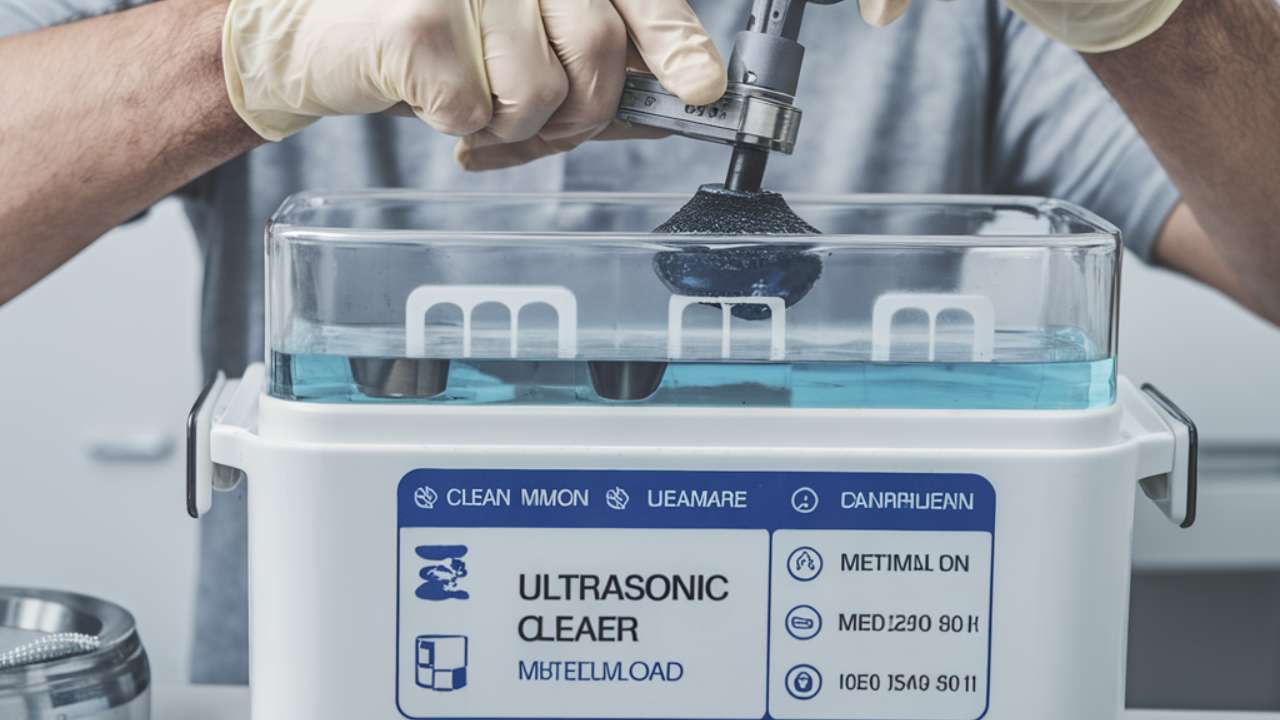
Are you tired of scrubbing your jewelry, tools, or small parts by hand? I was too, until I discovered the magic of ultrasonic cleaners. These nifty devices have changed the way I clean my belongings, and I’m excited to share my experience with you. In this guide, I’ll walk you through everything you need to know about using an ultrasonic cleaner like a pro. From setting it up to getting the best results, I’ve got you covered. Let’s dive in and make cleaning a breeze!
What Can You Clean with an Ultrasonic Cleaner?
When I first got my ultrasonic cleaner, I thought it was just for jewelry. Boy, was I wrong! I’ve been amazed at how many different things I can clean with it. It’s like having a super-powered cleaning helper for all sorts of items. Here’s a list of things I’ve successfully cleaned in my ultrasonic cleaner:
Jewelry: This was the first thing I tried. My rings, necklaces, and earrings come out sparkling like new. Even old, tarnished pieces look great after a cleaning.
Eyeglasses: I was nervous about this at first, but my glasses have never been cleaner. Just make sure to remove any special coatings first.
Watch Bands: Metal watch bands look brand new after a session in the ultrasonic cleaner.
Small Tools: I cleaned my husband’s precision screwdrivers and they work so much better now.
Dentures: My dad swears by the ultrasonic cleaner for his dentures. They come out super clean.
Makeup Brushes: These get so grimy, but the ultrasonic cleaner makes them look and feel like new.
Fountain Pens: I didn’t even know these needed cleaning, but they write so much smoother now.
Small Electronic Parts: Things like computer keyboard keys clean up really well.
Coins and Collectibles: Old coins and small collectibles come out looking great.
Gun Parts: My neighbor uses his ultrasonic cleaner for small gun parts and says it works wonders.
I’ve even used it to clean some of my kids’ smaller toys, like Lego pieces. It’s amazing how much dirt these little things can collect!
One thing I’ve learned is to always check if an item is safe for ultrasonic cleaning before putting it in. Some things, like pearls or certain gemstones, shouldn’t go in the ultrasonic cleaner. When in doubt, I always do a quick internet search or check the manufacturer’s instructions.
I keep finding new uses for my ultrasonic cleaner all the time. It’s become one of the most versatile cleaning tools in my house. From delicate jewelry to tough, grimy tools, it handles it all with ease. It’s like having a professional cleaning service right at home!
What You’ll Need to Use an Ultrasonic Cleaner
Before we dive into how to use an ultrasonic cleaner, let’s talk about what you’ll need. When I first started, I was surprised at how simple the setup is. Here’s a list of things you’ll want to have on hand:
Ultrasonic Cleaner: Obviously, this is the main thing you’ll need. There are many sizes and types available. I started with a smaller one for jewelry and have since upgraded to a larger model that can handle more items.
Cleaning Solution: You can buy special ultrasonic cleaning solutions, but I often use a mix of warm water and a mild dish soap. For tougher jobs, I might add a bit of ammonia or vinegar, depending on what I’m cleaning.
Soft Brush: Sometimes items need a little extra help after the ultrasonic cleaning. A soft-bristled brush is perfect for this.
Lint-Free Cloth: You’ll want this for drying items after cleaning. I use microfiber cloths because they’re gentle and don’t leave lint behind.
Plastic Basket or Beaker: Some cleaners come with these, but if not, they’re handy for holding smaller items. I use a plastic beaker for cleaning small jewelry pieces.
Gloves: I like to wear gloves to keep my hands dry and protected from the cleaning solution.
Timer: Most ultrasonic cleaners have a built-in timer, but if yours doesn’t, you’ll want to have one handy.
Distilled Water: I use this instead of tap water to avoid any mineral buildup in my cleaner.
One thing I’ve learned is that you don’t need to go overboard with fancy equipment. When I started, I just had the basic cleaner and some dish soap. As I’ve used it more, I’ve added things like the plastic beaker and special cleaning solutions for certain items.
Remember, safety first! Always read the instructions that come with your ultrasonic cleaner. Some cleaners might have specific requirements or recommendations. I keep my manual in a drawer near the cleaner so I can refer to it if I need to.
Having these items ready makes the whole cleaning process smoother. It’s like setting up a little cleaning station. I get a bit excited every time I set up to clean something – it’s oddly satisfying to see dirty items come out sparkling clean!
How to Prepare Your Ultrasonic Cleaner
Getting your ultrasonic cleaner ready is an important step. I remember the first time I used mine, I was a bit nervous. But it’s actually pretty simple once you know what to do. Here’s how I prepare my ultrasonic cleaner:
1. Choose the Right Location: I set my cleaner on a flat, stable surface. I make sure it’s near an electrical outlet but away from any water sources. Safety first!
2. Fill the Tank: I fill the tank with distilled water. I learned that tap water can leave mineral deposits, so distilled is better. I fill it to the line marked inside the tank, being careful not to overfill.
3. Add Cleaning Solution: Next, I add the cleaning solution. If I’m using a commercial cleaner, I follow the instructions on the bottle. For general cleaning, I often use a few drops of mild dish soap. Sometimes, for tougher jobs, I might add a bit of ammonia or vinegar.
4. Degas the Solution: This is a step I didn’t know about at first, but it’s important. I run the cleaner for about 10-15 minutes before adding any items. This removes air bubbles from the solution and helps the cleaner work better.
5. Preheat if Needed: Some cleaners have a heating function. If mine does, I turn it on now to warm up the solution. Warm solution often cleans better than cold.
6. Prepare Items for Cleaning: While the solution is degassing or heating, I get my items ready. I remove any parts that shouldn’t be cleaned ultrasonically, like watch batteries or loose gemstones.
7. Set Up Baskets or Beakers: If I’m cleaning small items, I put them in the plastic basket or beaker that came with my cleaner. This makes it easier to put items in and take them out.
8. Check the Timer: I make sure the timer is working and set it to the right cleaning time. Different items need different times, so I always double-check this.
9. Put on Gloves: I put on my gloves to protect my hands from the cleaning solution.
One tip I’ve learned is to always check the temperature of the solution before putting in items. Some things, like certain plastics, don’t do well in very hot water. I usually aim for warm, not hot.
Preparing your ultrasonic cleaner might seem like a lot of steps, but it becomes second nature pretty quickly. I can set mine up in just a few minutes now. Taking the time to prepare properly means better cleaning results and a longer life for your cleaner. It’s worth the extra effort!
Step-by-Step Guide: How to Use an Ultrasonic Cleaner
Now that we’ve got everything ready, let’s dive into how to actually use the ultrasonic cleaner. I remember feeling a bit overwhelmed the first time, but trust me, it’s easier than it looks. Here’s my step-by-step guide based on my experience:
Step 1: Place Items in the Cleaner
First, I gently place the items I want to clean into the basket or directly into the tank. I make sure not to overcrowd it – items need space around them for the cleaning to work well. If I’m cleaning jewelry, I don’t mix different types of metals.
Step 2: Lower the Basket
If I’m using a basket, I slowly lower it into the tank. I make sure it’s fully submerged but not touching the bottom of the tank.
Step 3: Set the Timer
I set the timer based on what I’m cleaning. For lightly soiled items, 2-3 minutes is often enough. For dirtier items, I might go up to 10 minutes. I never leave items in for too long as it can damage them.
Step 4: Start the Cleaning Cycle
I close the lid (if my cleaner has one) and press the start button. The machine starts humming – that’s the sound waves doing their job!
Step 5: Wait and Watch
While the cleaner is running, I like to watch. Sometimes you can see dirt coming off the items – it’s pretty cool! But I never open the lid while it’s running.
Step 6: Check the Results
When the cycle ends, I carefully remove an item and check if it’s clean. If not, I might run another short cycle.
Step 7: Rinse the Items
After cleaning, I rinse the items under running water to remove any cleaning solution. For delicate items, I use distilled water for rinsing.
Step 8: Dry the Items
I gently dry each item with a soft, lint-free cloth. For items with lots of crevices, I might use a hairdryer on a cool setting.
Step 9: Inspect and Repeat if Necessary
I always inspect items after drying. If they need more cleaning, I repeat the process.
Step 10: Clean the Ultrasonic Cleaner
After I’m done, I empty the tank, rinse it out, and wipe it dry. This keeps my cleaner in good shape for next time.
One thing I’ve learned is to be patient. Sometimes items need a couple of cleaning cycles to get really clean. It’s better to do shorter cycles and check in between than to overdo it in one go.
Also, I always keep an eye on more delicate items. Things like soft gemstones or items with glue can be damaged if left in too long. When in doubt, I go for shorter cleaning times.
Using an ultrasonic cleaner gets easier with practice. Now, I can clean a bunch of items in no time. It’s become a regular part of my cleaning routine, and I love how easy it makes keeping things sparkling clean!
Tips for Getting the Best Results
After using my ultrasonic cleaner for a while, I’ve picked up some tricks that help me get the best results. These tips have made a big difference in how well my cleaner works:
Use the Right Solution: I’ve found that different items need different cleaning solutions. For jewelry, I use a special jewelry cleaner. For greasy tools, a degreaser works best. Using the right solution makes a huge difference.
Don’t Overload the Cleaner: I used to try to clean too many things at once. Now I know that giving items space in the tank helps them get cleaner. I do smaller batches for better results.
Pre-Soak Tough Grime: For really dirty items, I soak them in warm, soapy water before putting them in the ultrasonic cleaner. This helps loosen dirt and makes the cleaning more effective.
Use Warm Water: I’ve noticed that warm water (not hot) often cleans better than cold. If my cleaner doesn’t have a heater, I start with warm water.
Clean in Stages: For delicate items, I do short cleaning cycles and check in between. This way, I don’t risk damaging anything by cleaning them too long.
Position Items Carefully: I’ve learned that how I place items in the cleaner matters. I try to position them so that air bubbles can escape easily. For example, I put cups and bowls upside down so bubbles don’t get trapped inside.
Use Warm Water: I’ve found that warm water often works better than cold. It helps the cleaning solution work more effectively. But I’m always careful not to use water that’s too hot, especially for delicate items.
Degas the Solution: This was a game-changer for me. Before putting items in, I run the cleaner for about 10 minutes with just the water and cleaning solution. This removes tiny air bubbles and makes the cleaning more effective.
Check and Replace the Solution: I keep an eye on the cleaning solution. If it starts looking dirty or cloudy, I change it out. Clean solution means better cleaning results.
Use the Right Cleaning Solution: Different items need different solutions. For jewelry, I use a special jewelry cleaner. For greasy tools, a degreaser works best. Using the right solution makes a huge difference.
Don’t Overload: I used to try to clean too many things at once. Now I know that giving items space in the tank helps them get cleaner. I do smaller batches for better results.
Be Patient: Some items need more than one cleaning cycle. Instead of running one long cycle, I do shorter ones and check in between. This way, I don’t risk damaging anything by cleaning it too long.
Rinse Thoroughly: After cleaning, I always rinse items well under running water. This removes any leftover cleaning solution and loose dirt.
Dry Properly: I use a soft, lint-free cloth to dry items after cleaning. For things with lots of nooks and crannies, I sometimes use a hairdryer on a cool setting to make sure everything’s dry.
Maintain Your Cleaner: I clean my ultrasonic cleaner regularly. I wipe it down after each use and do a deep clean every few months. This keeps it working well and prevents any buildup of grime.
One last tip I’ve picked up: for really stubborn dirt, I sometimes pre-soak items in warm, soapy water before putting them in the ultrasonic cleaner. This helps loosen the dirt and makes the cleaning more effective.
Using an ultrasonic cleaner has become second nature to me now. It’s amazing how much cleaner things get compared to hand washing. With these tips, I get great results every time. It’s like having a professional cleaning service right in my home!
Safety Precautions When Using an Ultrasonic Cleaner
While ultrasonic cleaners are generally safe to use, there are some important safety precautions I always keep in mind. Safety should always come first, especially when dealing with electrical devices and cleaning solutions.
Avoid Direct Contact: I never put my hands in the cleaner while it’s running. The ultrasonic waves can be harmful to skin and tissues. I always turn off the machine before reaching in.
Use Protective Gear: When handling cleaning solutions, I wear gloves to protect my skin. If I’m using strong solutions, I also wear safety glasses to protect my eyes from splashes.
Ventilation is Key: I always use my ultrasonic cleaner in a well-ventilated area. Some cleaning solutions can give off fumes, so good air circulation is important.
Keep Electronics Safe: I never put electronic items directly in the cleaner unless they’re specifically made for ultrasonic cleaning. Water and electronics don’t mix!
Read the Manual: Every ultrasonic cleaner is a bit different. I always read the manual carefully to understand the specific safety guidelines for my model.
Check for Damage: Before each use, I quickly check the cleaner for any signs of damage, especially to the power cord or plug. If I notice anything off, I don’t use it until it’s been checked out.
Keep Away from Children and Pets: I store my ultrasonic cleaner where kids and pets can’t reach it. The cleaning solutions can be harmful if swallowed, and the machine itself could be dangerous if misused.
Proper Disposal: When it’s time to change the cleaning solution, I dispose of it properly. I never just pour it down the drain, especially if I’ve been using special cleaning chemicals.
Don’t Overheat: I’m careful not to run the cleaner for too long, which could cause overheating. I follow the recommended cleaning times for different items.
Unplug When Not in Use: After I’m done cleaning, I always unplug the machine. This prevents any electrical accidents and saves energy.
By following these safety precautions, I can enjoy all the benefits of my ultrasonic cleaner without any worries. It’s all about being smart and careful to keep cleaning safe and effective.
Troubleshooting Common Issues with Ultrasonic Cleaners
Even with the best care, sometimes things don’t go as planned with ultrasonic cleaners. Here are some common issues I’ve encountered and how I’ve solved them:
Cleaner Not Working: If my cleaner doesn’t turn on, I first check the power connection. Sometimes it’s as simple as making sure it’s plugged in properly. If that’s not the issue, I check the fuse. A blown fuse is an easy fix.
Poor Cleaning Results: When items aren’t coming out as clean as they should, I first check if I’m using the right cleaning solution. If that’s not the problem, I might need to degas the solution or change it entirely if it’s old or dirty.
Unusual Noises: If my cleaner starts making strange noises, I first check if the water level is correct. Too little water can cause weird sounds. If the water level is fine, there might be a problem with the transducer, which might need professional repair.
Leaking: A leaking cleaner is serious. I immediately unplug it and check for cracks in the tank. Sometimes, it’s just overfilled, which is an easy fix. But if there’s a crack, it needs professional repair.
Heating Issues: If the solution isn’t heating up, I check if the heating function is turned on (if my model has one). If it is, and still not heating, there might be an issue with the heating element.
Excessive Foaming: Too much foam can reduce cleaning effectiveness. If this happens, I’ve found that using a different cleaning solution or reducing the amount I use can help.
Items Coming Out Discolored: This usually means the cleaning solution is too strong or not right for the material. I always make sure to use solutions appropriate for what I’m cleaning.
Basket Corroding: If the cleaning basket starts to corrode, it’s usually because I’ve used a solution that’s too acidic. I switch to a milder solution and replace the basket if needed.
Remember, if you’re ever unsure about a problem or how to fix it, it’s best to consult the manufacturer or a professional. Some repairs are best left to the experts to avoid damaging your cleaner or voiding the warranty.
By keeping these troubleshooting tips in mind, I’ve been able to solve most issues that come up with my ultrasonic cleaner. It’s all about being observant and addressing problems early before they become bigger issues.
Conclusion
Ultrasonic cleaners have truly revolutionized the way I clean various items in my home and workshop. From delicate jewelry to grimy tools, these machines have proven to be invaluable in achieving a level of cleanliness that’s hard to match with traditional cleaning methods.
Throughout this guide, we’ve covered everything from the basics of how ultrasonic cleaners work to advanced tips for getting the best results. We’ve discussed the importance of choosing the right cleaning solution, proper maintenance, safety precautions, and even troubleshooting common issues.
Remember, the key to success with an ultrasonic cleaner lies in understanding your specific model, using it correctly, and maintaining it properly. Always refer to your manufacturer’s guidelines, as they may have specific recommendations for your particular cleaner.
With practice, you’ll find that using an ultrasonic cleaner becomes second nature. You’ll develop a sense for which items clean best, how long to run cycles, and which solutions work best for different materials. It’s a learning process, but one that pays off with sparkling clean results.
Whether you’re a professional using an ultrasonic cleaner in your business or a hobbyist enjoying the benefits at home, I hope this guide has provided you with valuable insights to make the most of your ultrasonic cleaning experience.
Happy cleaning!