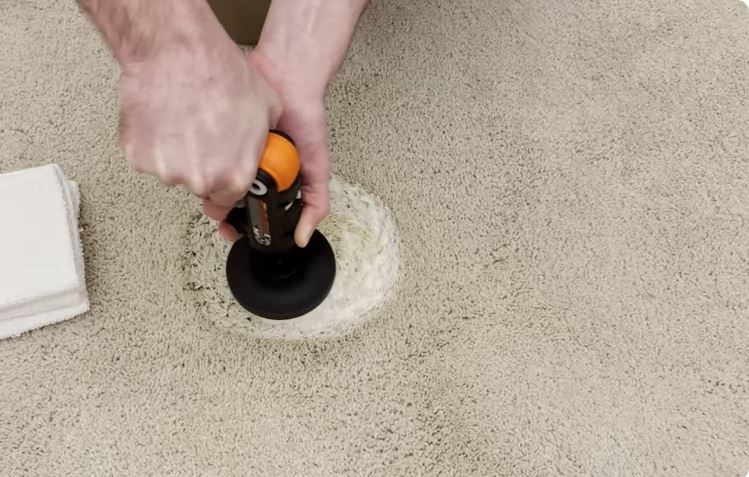
Ultrasonic cleaning is a popular method for cleaning various items. It is used to clean jewelry, tools, and even electronics. But does ultrasonic cleaning damage metal? Let’s find out.
What is Ultrasonic Cleaning?
Ultrasonic cleaning uses sound waves to clean objects. These sound waves are very high in frequency. They create tiny bubbles in a liquid. When these bubbles burst, they clean the surface of the object.
How Does Ultrasonic Cleaning Work?
Ultrasonic cleaners have a tank filled with a cleaning solution. An ultrasonic transducer creates high-frequency sound waves in the solution. These sound waves form tiny bubbles. The bubbles burst and remove dirt, grease, and grime.
Credit: zenith-ultrasonics.com
Materials Cleaned with Ultrasonic Cleaners
Many materials can be cleaned with ultrasonic cleaners. These include:
- Metals
- Plastics
- Glass
- Rubber
- Ceramics
But what about metal specifically? Does ultrasonic cleaning damage metal?
Does Ultrasonic Cleaning Harm Metal?
Most metals can be safely cleaned with ultrasonic cleaners. Common metals cleaned this way are:
- Steel
- Aluminum
- Brass
- Gold
- Silver
However, some metals need special care. Let’s look at why.
Factors Affecting Metal During Ultrasonic Cleaning
Several factors can impact how metal reacts to ultrasonic cleaning:
- Frequency of Sound Waves: Higher frequencies are gentle. Lower frequencies are more aggressive.
- Time of Exposure: Longer exposure can cause damage. Shorter times are safer.
- Type of Cleaning Solution: Some solutions are harsh. Use mild solutions for delicate metals.
- Condition of the Metal: Old or damaged metal can be more vulnerable. New metal is usually stronger.
Common Issues with Metal in Ultrasonic Cleaning
While ultrasonic cleaning is generally safe, some issues can arise:
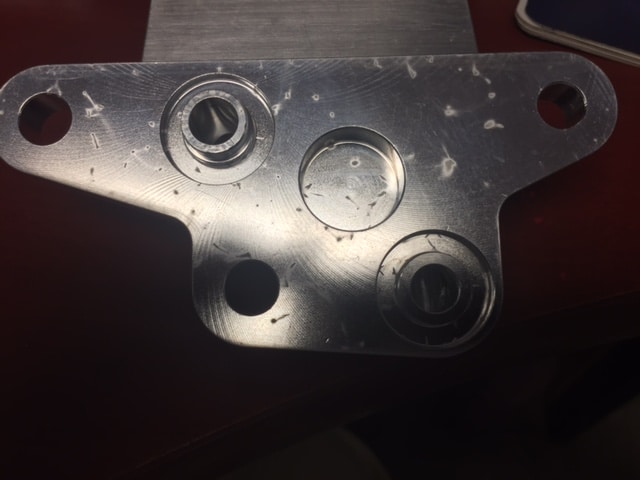
- Cavitation Erosion: If the bubbles are too strong, they can erode the metal.
- Surface Damage: Delicate metal surfaces can be scratched or pitted.
- Chemical Reactions: Harsh solutions can react with the metal.
But these issues are rare. Most metals are cleaned safely with the right settings.
Credit: www.upcorp.com
How to Prevent Damage to Metal
To prevent damage, follow these tips:
- Use the Right Frequency: Choose a higher frequency for delicate metals.
- Limit Cleaning Time: Do not over-expose the metal to the cleaning process.
- Select Mild Solutions: Avoid harsh chemicals that can harm the metal.
- Inspect Metal Before Cleaning: Check for any existing damage or wear.
These steps help ensure the metal stays safe during cleaning.
Benefits of Ultrasonic Cleaning for Metal
Ultrasonic cleaning offers many benefits:
- Efficient Cleaning: Ultrasonic cleaners can reach hard-to-clean areas.
- Gentle on Metal: With the right settings, it is gentle on metal surfaces.
- Time-Saving: The process is fast and effective.
- Eco-Friendly: Many cleaning solutions are safe for the environment.
These benefits make ultrasonic cleaning a popular choice.
Frequently Asked Questions
Does Ultrasonic Cleaning Harm Metal Surfaces?
Ultrasonic cleaning is safe for most metals. It uses sound waves to clean without damage.
Can Ultrasonic Cleaning Cause Metal Corrosion?
No, ultrasonic cleaning does not cause corrosion. It uses gentle vibrations to clean metal surfaces.
Is Ultrasonic Cleaning Safe For Delicate Metals?
Yes, ultrasonic cleaning is safe for delicate metals like gold and silver. It cleans without causing harm.
How Does Ultrasonic Cleaning Work On Metals?
It uses high-frequency sound waves to create tiny bubbles. These bubbles clean the metal surfaces.
Conclusion
Ultrasonic cleaning is generally safe for metal. It is efficient and gentle when used correctly. By following guidelines, you can avoid damage. Always choose the right settings and solutions. This ensures your metal items remain in good condition.