Introduction
Ultrasonic cleaners are great tools. They clean many items effectively. But not everything is safe to put inside. Using the wrong items can damage both the cleaner and the objects. Let’s explore what not to put in an ultrasonic cleaner.
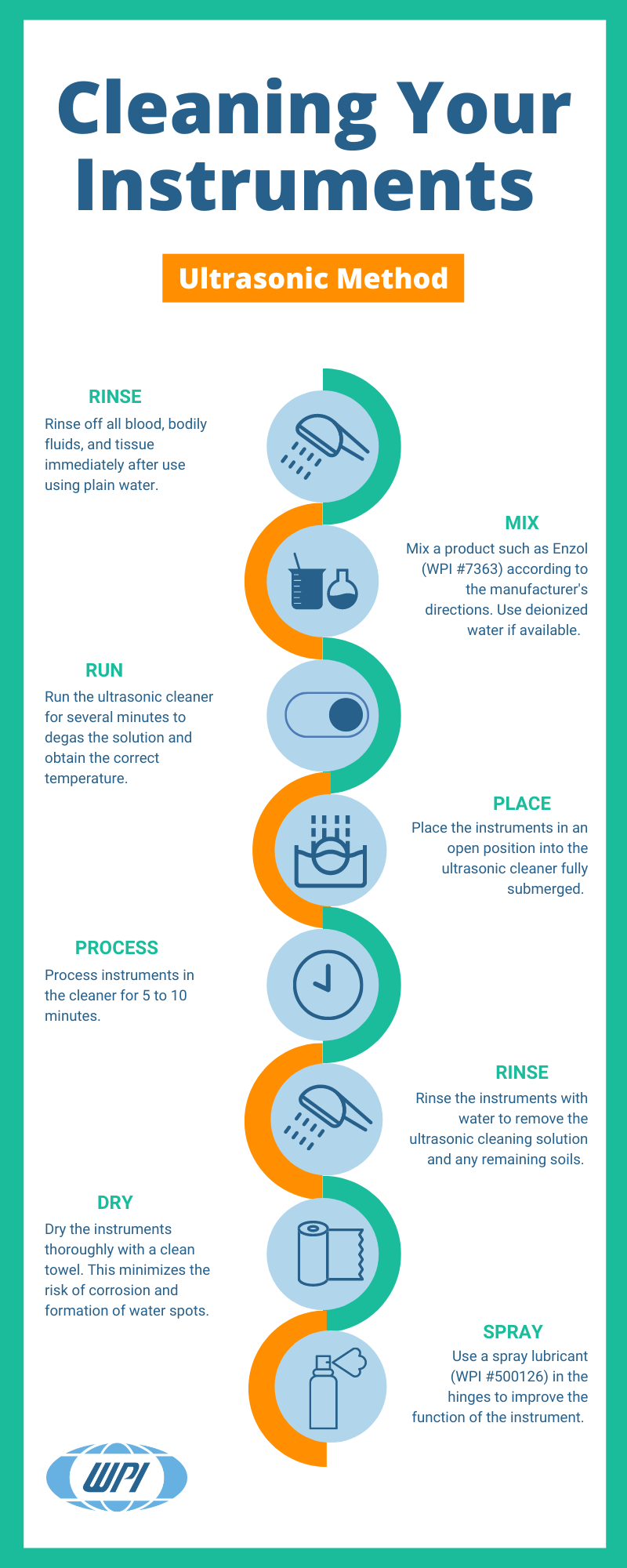
Credit: www.wpiinc.com

Credit: www.beadinggem.com
Why Care About What Goes In
Ultrasonic cleaners use high-frequency sound waves. These waves create tiny bubbles in the cleaning liquid. The bubbles clean surfaces by removing dirt and grime. Some items, however, don’t react well to this process. They can be damaged. The cleaner can also be harmed. It’s important to know what to avoid.
Items to Avoid
Now, let’s discuss specific items you should not put in an ultrasonic cleaner.
1. Pearls
Pearls are delicate. The ultrasonic waves can damage them. They can lose their luster. The surface can become rough. It’s best to clean pearls with a soft cloth instead.
2. Soft Gemstones
Gemstones like opals, emeralds, and turquoise are soft. They can be scratched or cracked. The vibrations in the cleaner are too strong. Clean these gems gently by hand.
3. Wood
Wood is porous. It can absorb water and cleaning solution. This can cause swelling or warping. The finish can also be damaged. Avoid putting any wooden items in the cleaner.
4. Leather
Leather items should not go in an ultrasonic cleaner. The process can dry out and crack the leather. It can also remove dyes and finishes. Clean leather with special leather cleaners instead.
5. Watches
Watches are complex. The ultrasonic cleaner can damage the internal parts. Water can also seep inside, causing rust. Remove the watch band if it’s metal. Clean the band alone.
6. Painted Items
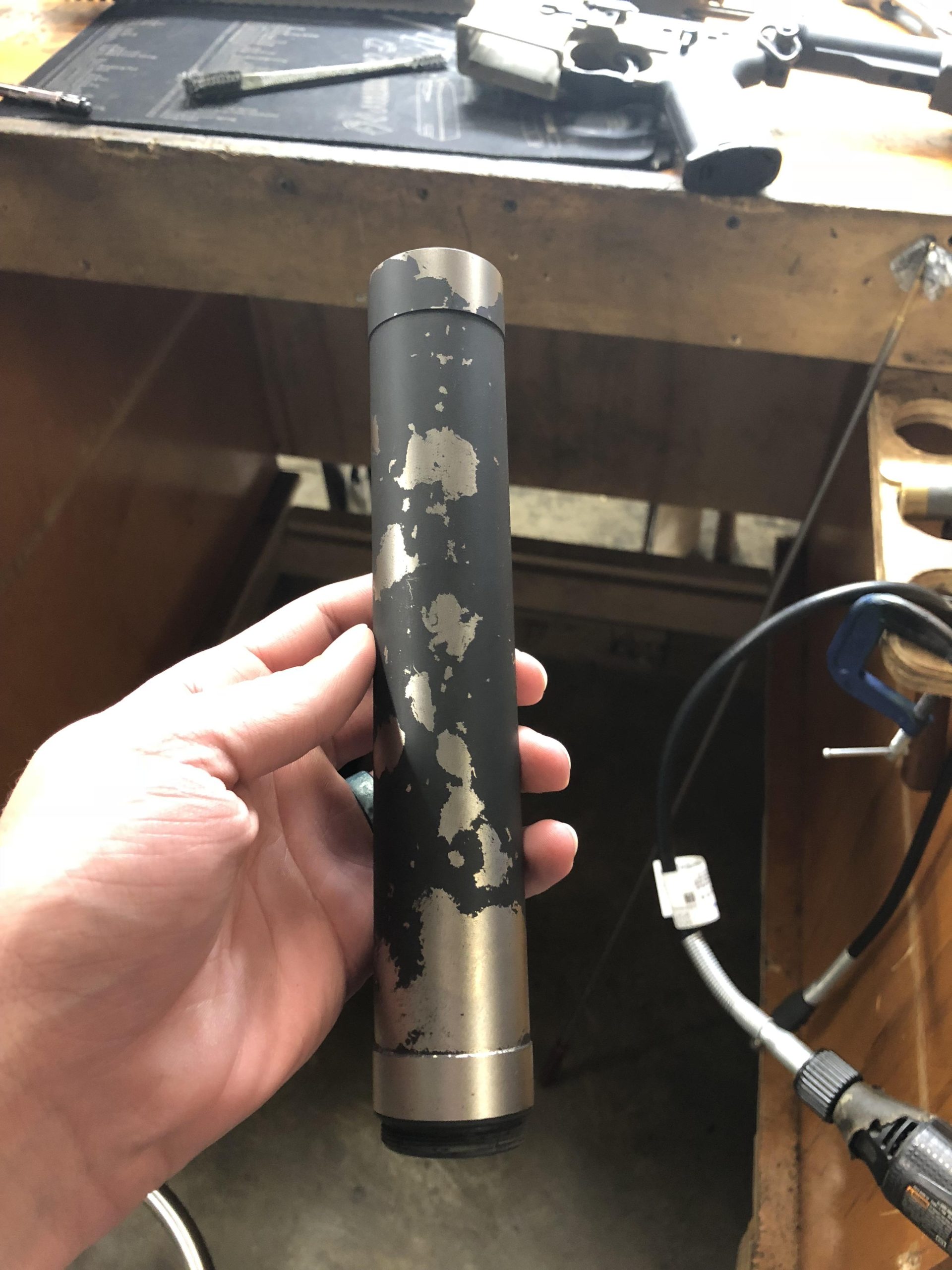
Painted surfaces can be stripped by ultrasonic cleaners. The vibrations can remove the paint. This can ruin the appearance. Avoid cleaning any painted items this way.
7. Certain Metals
Soft metals like aluminum and tin can be damaged. They can become pitted or discolored. It’s better to clean these metals with a gentle method. Stainless steel and hard metals are usually safe.
8. Electronic Components
Electronics do not mix well with water. The cleaner can damage circuits and connections. This can render the device useless. Use specialized electronic cleaners instead.
9. Antique Items
Antiques can be fragile. The ultrasonic waves can cause damage. The cleaning process can also remove patina. This reduces the item’s value. Clean antiques gently by hand.
10. Plastics
Not all plastics are safe. Some can melt or become deformed. If unsure, test a small area first. Generally, hard plastics are safer than soft ones.
Safe Alternatives
If an item is not safe for the cleaner, use other methods. Here are a few alternatives:
- Use a soft cloth for delicate items.
- Hand wash fragile and antique items.
- Use specialized cleaners for leather and electronics.
- Choose gentle cleaning methods for soft metals and plastics.
Frequently Asked Questions
What Items Should Not Be Cleaned In An Ultrasonic Cleaner?
Delicate items like pearls, emeralds, and opals should not be cleaned in an ultrasonic cleaner.
Can You Put Electronics In An Ultrasonic Cleaner?
No, electronics can be damaged by the water and ultrasonic waves in the cleaner.
Are There Metals That Should Not Be Cleaned Ultrasonically?
Yes, soft metals like aluminum and tin can be damaged in an ultrasonic cleaner.
Is It Safe To Clean Wood In An Ultrasonic Cleaner?
No, wood can absorb water and may swell or warp in an ultrasonic cleaner.
Conclusion
Ultrasonic cleaners are very useful. But, they are not for everything. Knowing what not to put in an ultrasonic cleaner is key. It keeps both the cleaner and your items safe. Always check if an item is safe before cleaning. Use other methods if needed. This way, you can enjoy a clean and well-maintained collection of items.