
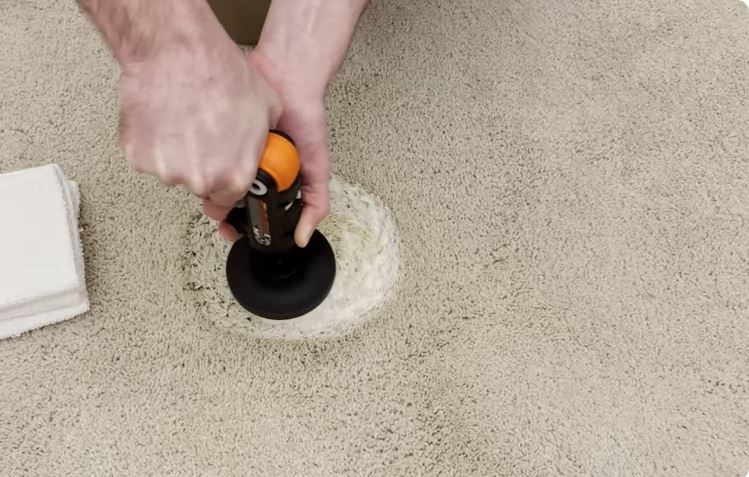
Old urine stains can be removed from carpet using enzyme cleaners, hydrogen peroxide, or vinegar solutions combined with proper blotting and extraction techniques. The key is breaking down uric acid crystals that bond to carpet fibers and penetrate deep into padding. Success requires patience, the right products, and sometimes professional help for severe cases.
How to Remove Old Urine Stains from Carpet: Step by Step Guide
Finding old urine stains in your carpet can feel like a big problem. The yellow marks look bad. The smell is worse. Many people try to clean these stains but fail. This happens because old urine is very different from fresh spills. When urine sits in carpet for days, weeks, or months, it changes. The liquid dries up, but crystals stay behind. These crystals stick to carpet fibers like glue. They also go deep down into the padding under your carpet.
This guide will teach you exactly how to remove old urine stains from carpet using methods that really work. You will learn about simple home solutions and strong commercial products. We will explain why some stains are so hard to remove and how to tackle them step by step. Whether you have pet accidents or other urine problems, this guide gives you clear answers that anyone can follow and use at home.
What Causes Old Urine Stains on Carpet to Set In
Old urine stains happen when liquid waste stays in carpet fibers and padding for a long time, creating yellow marks and bad smells that are hard to remove.
Urine contains many different parts. The main parts are water, urea, uric acid, creatinine, and several minerals. When urine first hits your carpet, it is mostly water. The water spreads out and soaks down into the carpet backing and padding below. As time passes, the water part dries up and goes into the air. What stays behind are the solid parts, especially uric acid crystals.
These uric acid crystals are the real problem. They stick very strongly to carpet fibers. Think of them like tiny pieces of glue that will not wash away with just water. The crystals also contain a yellow color molecule called urobilin. This is what makes old urine stains look yellow or brown. The longer the crystals sit in your carpet, the harder they bond to the fibers.
Bacteria also move into the stained area. These tiny living things feed on the urine parts. As bacteria grow and multiply, they make the smell much worse. This is why old urine stains smell so strong, especially on humid days. The moisture in the air wakes up the bacteria and crystals, making the odor come back even after you think you cleaned it.
Another part of the problem is carpet padding. Most carpet padding is like a thick sponge. When urine soaks through the carpet, it goes deep into this sponge layer. The padding holds onto the urine and keeps it trapped. This means even if you clean the top of the carpet, the smell and stain can come back from below.
Why Pet Urine Stains Are Different
Pet urine is often worse than human urine for carpets. Dogs and cats have stronger urine that contains more uric acid and ammonia. Male cat urine is especially strong because it has extra hormones and proteins. When pets urinate on carpet many times in the same spot, the layers of urine build up. This makes the stain and smell much harder to fix.
- Pet urine has higher acid levels that damage carpet dyes faster
- Animals often return to the same spot if odor remains
- Multiple accidents create layers of stain in padding
- Strong ammonia smell attracts pets back to the area
Why Old Urine Stains Are Much Harder to Remove Than Fresh Ones
Old urine becomes difficult to remove because uric acid crystals bond permanently with carpet fibers and bacteria multiply over time, creating stubborn stains and odors that resist normal cleaning.
Fresh urine is mostly water. You can blot it up with towels and clean it with basic soap and water. But when urine sits for more than a few hours, it starts to change. The water evaporates, leaving behind concentrated uric acid. These acid crystals go through a chemical process that makes them stick to carpet fibers at a molecular level.
Think of it like this: fresh urine is like spilled juice that you can wipe up easily. Old urine is like dried glue that has hardened onto the surface. The chemical bonds between the crystals and carpet fibers get stronger each day. After a week or more, simple cleaning products cannot break these bonds.
The yellow color also becomes more visible over time. When urine first soaks in, you might not see much color. But as the urobilin molecules concentrate and bond to fibers, the yellow stain appears. In some cases, the urine can actually bleach or change the carpet dye permanently, especially if your carpet has light colors.
Old urine also spreads out under the carpet surface. The stain you see on top might be small, but underneath the carpet, the urine has spread into a much larger area. This is why treating just the visible stain often fails. You need to treat a bigger area that includes all the hidden urine in the padding.
The Science Behind Stubborn Odors
The bad smell from old urine comes from bacterial decomposition. Bacteria eat the urea in urine and break it down into ammonia and other gases. These gases smell very strong and unpleasant. The bacteria keep working as long as any moisture is present. This is why old urine smells worse when humidity is high or after you steam clean your carpet.
- Bacteria release ammonia gas that causes sharp odors
- Humidity reactivates dried uric acid crystals
- Heat from cleaning can make smells temporarily stronger
- Odor molecules get trapped in carpet padding layers
Essential Supplies You Need to Remove Old Urine Stains from Carpet
To successfully remove old urine stains from carpet, you need enzyme cleaners, white vinegar, baking soda, hydrogen peroxide, clean towels, and optionally a wet vacuum or carpet extractor for deep cleaning.
Having the right tools makes all the difference when fighting old urine stains. You do not need expensive equipment, but you do need specific products that can break down uric acid crystals. Regular carpet cleaners and soap will not work because they cannot destroy the chemical bonds in old urine.
Start with enzyme cleaners. These are special products that contain living bacteria and enzymes. The enzymes act like tiny scissors that cut apart urine molecules. Popular brands include Nature’s Miracle, Rocco & Roxie, and Simple Solution. Make sure you buy enough product to soak the entire stained area deeply, not just spray the surface.
White vinegar is another important supply. The acid in vinegar helps neutralize ammonia in urine. Mix equal parts white vinegar and cold water in a spray bottle. Never use apple cider vinegar or other types because they can leave their own stains.
Baking soda works as a natural deodorizer. After treating with liquid cleaners, sprinkle baking soda on the damp area. It absorbs odors and helps pull moisture up from deep in the carpet. You will need several cups of baking soda for larger stains.
Tools for Deep Cleaning
A wet vacuum or carpet extractor is very helpful for old stains. These machines spray water or cleaning solution into the carpet and then suck it back out. This pulls urine from deep in the padding. You can rent these machines from hardware stores if you do not own one.
- Clean white towels or microfiber cloths for blotting
- Spray bottles for applying cleaning solutions
- Hydrogen peroxide three percent solution from drugstore
- Soft brush or sponge for gentle scrubbing
- UV flashlight to find hidden urine stains
- Plastic wrap or damp towel to cover treated areas
- Rubber gloves to protect your hands
| Supply | Purpose | Cost Range |
|---|---|---|
| Enzyme Cleaner | Breaks down uric acid crystals | $15 to $30 per bottle |
| White Vinegar | Neutralizes ammonia odor | $3 to $5 per gallon |
| Baking Soda | Absorbs odors and moisture | $2 to $4 per box |
| Hydrogen Peroxide | Removes yellow stain color | $2 to $3 per bottle |
| Wet Vacuum Rental | Extracts deep urine from padding | $30 to $50 per day |
How to Remove Old Urine Stains from Carpet Using Enzyme Cleaners
Enzyme cleaners remove old urine stains by using special bacteria and proteins that eat away uric acid crystals, eliminating both stains and odors when applied correctly with enough product and time.
Enzyme cleaners are the most effective solution for old urine stains. Unlike regular cleaners that just cover up smells, enzymes actually destroy the urine at a chemical level. Here is how to use them correctly to get the best results.
First, find all the urine spots. Old stains might not be visible in normal light. Use a UV flashlight in a dark room. Urine contains phosphorus that glows yellowish green under UV light. Mark each spot you find with tape or chalk so you know where to clean.
Remove as much dried urine as possible before applying enzyme cleaner. If the area feels crusty or stiff, lightly dampen it with plain cold water first. Blot with clean towels to pull up any loosened urine. Press down firmly and let the towel absorb moisture. Do not rub or scrub at this stage.
Now apply the enzyme cleaner very generously. This is important. You must use enough product to soak through the carpet and reach the padding below. The visible stain on top is usually smaller than the actual contaminated area underneath. Spray or pour the enzyme cleaner on the stain and two inches beyond it in all directions. The area should be very wet, almost dripping.
Letting Enzymes Work Properly
After applying enzyme cleaner, you must give it time to work. The enzymes need to stay wet and active for at least 10 to 15 minutes, but longer is better for old stains. Some tough stains need 12 to 24 hours of treatment time. Cover the wet area with a damp towel or plastic wrap to keep it from drying out. The enzymes only work while they are wet.
- Apply cleaner generously to saturate carpet and padding
- Treat area larger than visible stain
- Cover with damp towel for 12 to 24 hours for severe stains
- Keep area moist so enzymes stay active
- Blot or extract after treatment time is complete
- Repeat treatment if odor or stain remains
After the enzymes have worked, remove the cover and blot the area with clean dry towels. Press firmly to absorb as much liquid as possible. Better yet, use a wet vacuum or carpet extractor to pull all the enzyme solution and broken down urine out of the carpet. This extraction step is very important because it removes the waste products.
Check the area after it dries completely. This can take several hours or overnight. If you still see staining or smell odor, repeat the entire process. Old urine stains often need two or three treatments. Each treatment breaks down more of the uric acid crystals until they are all gone.
Step by Step Method Using Vinegar and Baking Soda
The vinegar and baking soda method removes old urine stains from carpet by neutralizing ammonia with acid and absorbing odors with baking soda in a simple two step process that costs very little.
If you want to try a home remedy first before buying commercial products, vinegar and baking soda can work on many old urine stains. This method is safe, cheap, and uses items you probably already have. However, it works best on medium stains that are a few weeks old, not severe contamination from months of accidents.
Start by mixing your vinegar solution. Combine equal parts white vinegar and cold water in a spray bottle. For example, use one cup vinegar and one cup water. Shake the bottle to mix them together. Never use hot water because heat can set urine stains permanently.
Spray the vinegar solution onto the stained area. Be generous. The area should be quite wet. The vinegar smell will be strong at first, but it will fade as it dries. Let the vinegar solution sit on the stain for 5 to 10 minutes. During this time, the acid in vinegar is breaking down ammonia in the urine.
After waiting, blot the area with clean white towels. Press down firmly and soak up as much liquid as you can. Keep blotting with dry sections of the towel until very little moisture comes up. The towel might show yellow or brown color as it absorbs old urine.
Adding Baking Soda for Odor Removal
Once you have blotted up most of the vinegar solution, sprinkle a generous layer of baking soda over the entire damp area. Use enough to cover it completely, about half a cup for a stain the size of a dinner plate. The baking soda will start to absorb odors right away.
- Mix one part white vinegar with one part cold water
- Saturate the stained area completely
- Wait 5 to 10 minutes for vinegar to work
- Blot thoroughly with clean dry towels
- Sprinkle thick layer of baking soda while damp
- Leave baking soda for several hours or overnight
- Vacuum up dried baking soda completely
Leave the baking soda on the carpet for at least three to four hours, or overnight for best results. As the carpet dries, the baking soda pulls moisture and odor up from deep in the fibers. You will see the baking soda darken or clump together as it absorbs things from the carpet.
After the baking soda has dried completely, vacuum the area thoroughly. Go over it several times to pick up all the powder. If the carpet feels stiff, you can repeat the vinegar spray, blot, and baking soda steps one more time for extra cleaning power.
Using Hydrogen Peroxide to Remove Yellow Stains
Hydrogen peroxide removes yellow discoloration from old urine stains by breaking down urobilin color molecules through a mild bleaching action that is safe for most carpets when used carefully.
Sometimes after you remove the odor from old urine, a yellow stain still remains in the carpet. This happens because the color molecules have bonded to carpet fibers. Hydrogen peroxide can remove these yellow marks by breaking down the color at a chemical level.
Use only three percent hydrogen peroxide from the drugstore, never stronger solutions. Higher concentrations can bleach or damage carpet dyes. Before treating the whole stain, always test the peroxide on a hidden spot of carpet first. Apply a few drops to an area under furniture or in a corner. Wait 10 minutes and blot with a white towel. If the towel shows carpet color, do not use peroxide on your carpet.
For stains that pass the test, mix a cleaning solution in a spray bottle. Combine one cup of three percent hydrogen peroxide with three tablespoons of baking soda and two drops of dish soap. Shake gently to mix. The baking soda might not dissolve completely and that is okay.
Spray this mixture onto the yellow stain. Be careful not to use too much. The area should be damp but not soaking wet. Let the solution sit for 10 to 15 minutes. You may see some fizzing or bubbling. This is the peroxide working to break down the stain.
The Bleaching Process
Hydrogen peroxide works better with light and warmth. Place a clear plastic wrap over the treated area to keep it from drying too fast. Do not use colored plastic or thick coverings that block light. The peroxide uses oxygen to break apart color molecules, and this process needs some light to work well.
- Always test on hidden carpet area first
- Use only three percent hydrogen peroxide
- Mix with baking soda and tiny amount of dish soap
- Apply lightly to avoid over wetting
- Cover with clear plastic wrap
- Wait 10 to 30 minutes depending on stain darkness
- Blot thoroughly and rinse with cold water
After 10 to 30 minutes, remove the plastic and blot the area with clean towels. Then rinse by spraying with plain cold water and blotting again. This removes any peroxide residue. Let the carpet air dry completely. The stain may look lighter immediately, but the full effect shows after drying.
For very dark or stubborn yellow stains, you can repeat the peroxide treatment, but do not do more than three applications. Too much peroxide can start to damage carpet backing. If the stain does not fade after three tries, it may be permanent and might need professional help or carpet replacement.
Dealing with Urine That Has Soaked into Carpet Padding
When urine soaks into carpet padding, surface cleaning is not enough because the sponge like pad holds liquid and odor below, requiring deep extraction or sometimes pad replacement for complete removal.
The hardest urine stains are ones where liquid has penetrated all the way through the carpet into the padding underneath. Regular cleaning only treats the carpet surface, but the padding remains contaminated. This is why odors keep coming back even after repeated cleaning attempts.
Carpet padding is designed to absorb impacts and make carpet feel soft. But this spongy material also absorbs and traps liquids. Once urine soaks into padding, it spreads out in a wide area much larger than the visible stain on top. The padding holds onto the urine and slowly releases odor over time, especially when humidity is high.
To treat urine in carpet padding, you need a subsurface extraction tool or wet vacuum with strong suction. The goal is to flood the area with cleaning solution and then pull it all back out, taking the urine with it. Start by marking the full extent of the contaminated area using a UV light to find all spots.
Apply enzyme cleaner or extraction cleaning solution very heavily to the marked area. Use two to three times more product than you would for surface stains. The liquid must saturate through the carpet, through the backing, and into the padding layer. You will see the carpet become very wet and even puddle slightly on the surface.
Extraction and Flooding Method
After saturating with cleaner, let it sit for 15 to 20 minutes to break down the urine. Then use a wet vacuum or carpet extractor machine to suck out as much liquid as possible. Make multiple slow passes over the area, overlapping each pass. The machine should pull out gallons of dirty liquid if the padding was badly soaked.
- Use UV light to map full contamination area
- Flood area heavily with enzyme cleaner
- Wait 15 to 20 minutes for cleaner to penetrate padding
- Extract with wet vacuum using multiple passes
- Rinse with clean water and extract again
- Place fans to speed drying process
- Check smell after fully dry and repeat if needed
After extracting the cleaning solution, flood the area again with plain cold water and extract once more. This rinse step removes cleaner residue and any loosened urine. Keep rinsing and extracting until the water you pull out looks clear instead of yellow or brown.
Dry the carpet as fast as possible using fans and open windows. Wet padding can grow mold if it stays damp for more than 24 hours. Point fans directly at the wet area and leave them running for 12 to 24 hours until the carpet and padding are completely dry.
When to Replace Carpet Padding
In severe cases where pets have urinated in the same spot many times over months or years, the padding may be too damaged to save. If you still smell strong odor after multiple deep cleanings, or if the padding feels crumbly and falls apart, replacement is the only option. You can pull back the carpet in that section, cut out the contaminated padding, clean the subfloor below, install new padding, and reattach the carpet. This is a bigger job but gives permanent results.
How to Find Hidden Urine Stains Using UV Light
UV black lights detect hidden urine stains by making phosphorus molecules in dried urine glow bright yellow or green in the dark, revealing contamination invisible to the naked eye.
Many old urine stains are invisible in normal light. You might smell odor but cannot see where it is coming from. This is especially common with old dried stains or when pets have urinated on carpet many times in different spots. A UV flashlight solves this problem by making urine visible.
Urine contains a mineral called phosphorus. When UV light hits phosphorus molecules, they absorb the light energy and then release it back as visible light. This effect is called fluorescence. Under a UV flashlight, dried urine stains glow in shades of yellow, green, or blue white, making them easy to see in the dark.
To use a UV light for finding stains, wait until evening or close all curtains to make the room as dark as possible. The darker the room, the brighter the urine will glow. Turn on the UV flashlight and slowly scan your carpet in a grid pattern. Move the light about one foot above the carpet surface.
When you find a glowing spot, mark it immediately with chalk, tape, or a small object. Continue scanning the entire room and mark every spot you find. You might be surprised to discover stains you never knew existed. Some glowing spots can be from other things like cleaning products, but urine stains usually have a distinct yellow green color and strong smell when you sniff near them.
What Makes Stains Glow Under UV
The phosphorus in urine bonds strongly to carpet fibers and does not wash out completely even after thorough cleaning. This means even after you remove the odor and visible stain, a faint glow may still show under UV light. This is normal and harmless. The phosphorus itself has no smell or health risk. What matters is eliminating the uric acid and bacteria that cause odor and damage.
- Buy UV flashlight with wavelength 365 to 395 nanometers
- Make room completely dark for best results
- Scan carpet slowly in systematic grid pattern
- Mark each glowing spot you find
- Urine glows yellowish green or blue white
- Stains must be dry to glow brightly
- High humidity can reduce glow visibility
UV lights work best on porous surfaces like carpet and upholstery. They may not show stains as clearly on hard floors where urine does not soak in. Also, some carpet cleaning products contain optical brighteners that also glow under UV, so you might see spots that are not urine. Use your nose to confirm actual urine spots by smelling near each glowing area.
Professional vs DIY Methods for Old Urine Stain Removal
Professional carpet cleaners have stronger equipment and experience that can remove severe urine contamination more completely than DIY methods, but DIY approaches work well for light to moderate stains and cost much less.
Choosing between doing it yourself or hiring professionals depends on how bad the stains are, how long they have been there, and your budget. Both approaches have good points and weak points.
DIY cleaning with enzyme cleaners and home remedies works well for fresh stains or old stains that only affect the carpet surface. You can save money by buying your own supplies and doing the work yourself. Most enzyme cleaners cost $15 to $30 per bottle, and one bottle can treat several stains. The vinegar and baking soda method costs even less, just a few dollars.
The main limit of DIY methods is they cannot always reach deep contamination in carpet padding. Store bought carpet cleaners and rental machines do not have as much suction power as professional equipment. You might clean the surface but miss the urine trapped below. This leads to odors coming back after a few days or weeks.
What Professional Cleaners Offer
Professional carpet cleaning companies have truck mounted extraction systems with very powerful suction. These machines can flood the carpet and padding with cleaning solution and then pull it all back out. Professionals also use commercial strength enzyme treatments and specialized urine formulas that are not sold in stores.
- Much more powerful extraction equipment
- Commercial grade enzyme and oxidizing treatments
- Experience identifying extent of contamination
- Can treat or replace padding if needed
- Guarantee their work or retreat problem areas
- Faster drying with professional air movers
Professional cleaning costs more, usually $100 to $400 depending on how many rooms need treatment and how severe the contamination is. Some companies offer special pet urine removal packages that include enzyme treatments, UV light inspection, and deep extraction. These packages cost more but give much better results than basic carpet cleaning.
| Approach | Best For | Cost | Success Rate |
|---|---|---|---|
| DIY Enzyme Cleaner | Light to moderate surface stains | $15 to $50 | Good for recent stains |
| DIY Vinegar and Baking Soda | Small fresh stains | $5 to $10 | Moderate effectiveness |
| Carpet Cleaner Rental | Multiple rooms with surface stains | $30 to $50 per day | Good with proper technique |
| Professional Service | Severe or padding contamination | $100 to $400 | Best for tough cases |
For most homeowners, the best approach is to try DIY methods first on stains that are not too old or severe. If the odor comes back or the stain will not fade after two or three attempts, then call professionals. This saves money while still getting good results. For homes with heavy pet contamination in multiple areas, professional cleaning from the start is usually the better choice because DIY methods will not fix the problem completely.
Common Mistakes That Make Urine Stains Worse
The biggest mistakes in removing old urine stains from carpet include rubbing instead of blotting, using hot water, not treating deeply enough, and applying harsh chemicals that set stains permanently.
Many people accidentally make urine stains worse by using the wrong cleaning methods. Understanding these common mistakes helps you avoid them and get better results.
The first big mistake is rubbing or scrubbing the stain. When you rub carpet, you push the urine deeper into the fibers and spread it into a larger area. Rubbing also damages carpet fibers and can make them look worn or frizzy. Always blot stains by pressing straight down with a clean towel, then lifting it up. Press, lift, move to clean spot on towel, and repeat.
Using hot water or steam cleaning too early is another major mistake. Heat causes urine proteins to bond more strongly with carpet fibers, setting the stain permanently. Steam cleaners can also spread urine odor throughout a room by releasing ammonia gas into the air. Always use cold or room temperature water when treating urine stains. You can steam clean only after you have completely removed all the urine with enzyme treatments.
Not using enough cleaning product is a very common problem. People spray a little enzyme cleaner on the surface and expect it to work. But old urine has soaked deep into padding. You must saturate the area completely so the cleaner reaches all the contamination. Use much more product than you think you need. The area should be soaking wet, not just damp.
Wrong Products Can Set Stains
Using the wrong cleaning chemicals can make urine stains permanent. Bleach, ammonia cleaners, and some carpet shampoos react badly with urine. Bleach can turn urine stains bright yellow or orange. Ammonia smells like urine and confuses pets, making them more likely to urinate in the same spot again.
- Never rub or scrub, always blot gently
- Never use hot water or steam on urine stains
- Do not use bleach on urine
- Avoid ammonia based cleaners
- Do not use too little cleaning product
- Never skip the extraction or blotting step
- Do not let treated area dry too slowly
Another mistake is not extracting the cleaning solution after treatment. Enzyme cleaners break down urine into smaller parts, but those parts must be removed from the carpet. If you just let the enzyme cleaner dry in place, the broken down urine stays in your carpet and can still smell. Always blot or vacuum up cleaning solutions after they have worked.
Finally, giving up too soon is a mistake. Old urine stains often need two, three, or even four treatments to remove completely. The first treatment might only remove 50 percent of the odor and stain. Keep repeating the process until the smell is gone and the stain fades. Patience and persistence get results.
Best Products for Removing Old Urine Stains from Carpet
The most effective commercial products for old urine stains are enzyme cleaners like Rocco and Roxie, Nature’s Miracle, and Zep Urine Remover, which break down uric acid crystals using beneficial bacteria.
Not all cleaning products work equally well on old urine stains. Here are the most effective options based on how they remove stains and what users report about results.
Rocco and Roxie Professional Strength Stain and Odor Eliminator is a top choice for many pet owners. This enzyme cleaner uses a bio enzymatic formula that breaks down organic stains including urine, feces, and vomit. It has earned the Carpet and Rug Institute Seal of Approval, meaning it will not damage carpets when used correctly. The product has a light pleasant scent and works on both new and old stains. Users report good success on stains up to several months old.
Nature’s Miracle Stain and Odor Remover is another popular enzyme cleaner that has been around for many years. It contains bacteria and enzymes that digest urine molecules. The product works well but some users note the formula has changed over time and now has a stronger perfume smell. It still works effectively on most pet urine stains when you use enough product and give it time to work.
Other Effective Products
Simple Solution Extreme Pet Stain and Odor Remover has a three in one spray nozzle with foam, mist, and stream settings. This makes it easy to apply the right amount of product to different surfaces. The enzyme formula works quickly, starting to break down stains in about five minutes. It is effective on tough stains and works on carpets, upholstery, and hard surfaces.
- Rocco and Roxie: Best overall enzyme cleaner with CRI approval
- Nature’s Miracle: Long trusted brand with strong enzyme action
- Simple Solution: Versatile spray options for different surfaces
- Zep Urine Remover: Commercial strength for severe cases
- Angry Orange: Natural citrus enzymes with pleasant scent
- Bissell Professional Pet Urine Eliminator: For use with machines
Zep Urine Remover is a commercial grade product that many professional cleaners use. It combines enzymes with other cleaning agents to tackle the toughest urine problems. Users report it works very well on old stains and severe contamination. The product is available in gallon sizes for treating large areas.
Whichever product you choose, the key to success is using enough of it and giving the enzymes time to work. Read the instructions carefully and follow them exactly. Most enzyme cleaners need 10 to 15 minutes minimum dwell time, but old stains benefit from much longer contact time.
Preventing Future Urine Stains on Your Carpet
Prevent urine stains on carpet by training pets properly, using protective mats in accident prone areas, cleaning spills immediately, and applying carpet protector treatments that repel liquids.
The best way to deal with urine stains is to prevent them from happening in the first place. While you cannot always avoid accidents, you can take steps to reduce their frequency and make cleanup easier when they do occur.
For pet owners, proper toilet training is essential. Puppies and kittens need consistent training to learn where they should urinate. Take dogs outside frequently, especially after meals, naps, and playtime. Reward them with treats and praise when they go outside. For cats, provide clean litter boxes in quiet accessible locations. The general rule is one litter box per cat plus one extra.
Watch for signs that your pet needs to go. Dogs may sniff the ground, circle, or whine. Cats might meow or scratch near the litter box. When you see these behaviors, take your pet to the right place immediately. Catching accidents before they happen is much easier than cleaning up afterward.
Place washable mats or area rugs over carpet in spots where accidents are likely. For puppies, put mats near doors and in areas where the puppy spends time. For older pets with bladder control issues, place waterproof mats in their favorite sleeping spots. These barriers protect the carpet below and are easy to wash when accidents happen.
Quick Response to Accidents
When an accident does happen, clean it immediately. Fresh urine is much easier to remove than old stains. Keep enzyme cleaner and towels handy so you can treat spills right away. The faster you act, the less likely the urine will soak into padding and cause permanent odor problems.
- Train pets consistently with positive reinforcement
- Take dogs out frequently throughout the day
- Keep litter boxes very clean for cats
- Use washable protective mats in prone areas
- Clean accidents immediately with enzyme cleaner
- Apply carpet protector spray after cleaning
- Check older pets for health issues causing accidents
Consider applying carpet protector products after cleaning your carpets. These sprays create a barrier on carpet fibers that makes liquids bead up on the surface instead of soaking in. This gives you more time to blot up accidents before they penetrate to the padding. Scotchgard and similar products can make a big difference in protecting your carpet.
If you have an older pet with frequent accidents, talk to your veterinarian. Medical problems like urinary tract infections, diabetes, or kidney disease can cause loss of bladder control. Treating the health issue may solve the carpet problem. You might also consider confining the pet to areas with hard floors that are easier to clean, or using dog diapers for severe cases.
When to Call Professional Carpet Cleaners
Call professional carpet cleaners when DIY methods fail after multiple attempts, when urine has soaked extensively into padding, when odor persists despite treatment, or when you need carpet or padding replacement.
Sometimes no matter how hard you try, DIY methods cannot completely fix severe urine problems. Knowing when to call professionals saves you time, money, and frustration.
If you have treated a stain two or three times with enzyme cleaners and the odor keeps coming back, this signals deep contamination that needs professional equipment. The urine has penetrated too deeply into padding for surface treatments to reach. Professional carpet cleaners have truck mounted systems that can inject cleaning solution under high pressure and extract it with powerful suction.
When you find urine stains throughout an entire room or multiple rooms, professional cleaning becomes more cost effective than buying enough DIY supplies to treat everything yourself. Professionals can clean a whole house in one day using efficient methods.
If urine has reached the subfloor beneath the carpet and padding, you will need professional help. This level of contamination requires pulling up the carpet, treating or sealing the subfloor, possibly replacing padding, and reinstalling the carpet. This is not a DIY job for most people.
Signs You Need Professional Help
Look for these warning signs that indicate the problem is beyond DIY solutions. Strong ammonia smell that does not fade after cleaning is a major red flag. This means uric acid crystals are deeply embedded and need commercial strength treatments to break down.
- Odor returns within days after cleaning
- Stains cover large areas or multiple rooms
- Carpet padding feels wet or spongy
- Subfloor shows signs of urine damage
- Pets keep returning to same spots despite cleaning
- DIY methods show no improvement after three attempts
- Visible mold growth appears from persistent moisture
Professional services typically include UV light inspection to find all contaminated areas, pre treatment with commercial enzymes, hot water extraction, deodorizing treatments, and fast drying with air movers. Many companies offer guarantees and will return to retreat areas if odor persists.
The cost ranges from $100 to $150 for a single room with light contamination, up to $400 or more for severe cases requiring padding replacement. While this seems expensive, it is often less than the cost of replacing carpet entirely, which can run into thousands of dollars.
Conclusion
Removing old urine stains from carpet requires the right approach and proper products. Old stains are challenging because uric acid crystals bond strongly to carpet fibers and penetrate deep into padding layers. These crystals cause visible yellow stains and persistent ammonia odors that do not respond to regular cleaning.
The most effective solutions involve enzyme cleaners that break down uric acid at a molecular level. Products like Rocco and Roxie, Nature’s Miracle, and Zep Urine Remover contain beneficial bacteria that digest urine components. For best results, saturate the entire contaminated area, allow plenty of dwell time, and extract thoroughly. Home remedies using vinegar and baking soda work well on lighter stains, while hydrogen peroxide can remove stubborn yellow discoloration.
Success depends on treating contamination below the carpet surface, not just the visible stain. Use UV lights to find hidden stains, apply enough product to reach carpet padding, and repeat treatments as needed. Avoid common mistakes like rubbing stains, using hot water, or applying ammonia based products.
For severe contamination where urine has soaked extensively into padding, professional cleaning offers the best results. Commercial equipment can inject cleaning solutions deep into padding and extract them completely. Know when DIY efforts are not enough and professional help will save your carpet.
Prevention through proper pet training, quick response to accidents, and protective treatments keeps your carpet cleaner. With patience and the right methods, you can successfully remove old urine stains and restore your carpet to a fresh, clean condition.
Frequently Asked Questions
Can old urine stains be removed completely from carpet?
Yes, most old urine stains can be removed completely using enzyme cleaners and proper techniques. However, very old stains that have been in carpet for years may have permanently damaged the carpet dyes. In these cases, the odor can be eliminated but some discoloration might remain. Success depends on how long the urine has been there and whether it soaked into the padding.
How long do enzyme cleaners take to work on old urine stains?
Enzyme cleaners need at least 10 to 15 minutes of contact time to start breaking down uric acid crystals. For old stains, longer dwell times of 12 to 24 hours work much better. The enzymes must stay wet to remain active, so cover treated areas with damp towels or plastic wrap. Multiple treatments over several days may be needed for severe stains.
Why does my carpet smell worse after cleaning urine stains?
Carpet can smell worse temporarily after cleaning because moisture reactivates dried uric acid crystals and wakes up bacteria. This is especially common if you used hot water or steam, which releases ammonia gas. The smell should fade as the carpet dries completely. If odor persists after drying, the cleaning did not remove all the urine and you need to retreat the area.
Will vinegar and baking soda remove old pet urine smell?
Vinegar and baking soda work on light to moderate old urine smells, especially when the contamination is only on the carpet surface. However, this method is less effective than enzyme cleaners for severe cases or when urine has soaked into padding. Vinegar neutralizes ammonia and baking soda absorbs odors, but neither can break down uric acid crystals as well as enzymes do.
Is hydrogen peroxide safe to use on all carpet colors?
No, hydrogen peroxide can bleach or lighten dark colored carpets. Always test peroxide on a hidden area of carpet first before treating visible stains. Use only three percent hydrogen peroxide and apply it lightly. White and light colored carpets usually tolerate peroxide well, but dark carpets may lose color. If the test spot shows bleaching, use enzyme cleaners instead.


