Carburetors are important parts of engines. They mix air and fuel. This makes the engine run smoothly. Over time, carburetors get dirty. Dirt and grime build up. This affects engine performance. Cleaning carburetors is necessary.
One way to clean carburetors is by using an ultrasonic cleaner. Ultrasonic cleaners use sound waves. These waves create tiny bubbles in a liquid. The bubbles clean the carburetor parts. But, what liquid should you use? Let’s find out.
Why Use an Ultrasonic Cleaner?
Ultrasonic cleaners are effective. They reach small spaces. They clean thoroughly. Manual cleaning is hard. It takes time. It is not as effective. Ultrasonic cleaners save time. They clean better.
Choosing the Right Solution
The cleaning solution matters. It affects cleaning quality. Different solutions work for different materials. Carburetors are made of metal. The solution should be safe for metal. It should not cause corrosion.
Water
Water is the simplest solution. It is safe for most metals. However, water alone may not be enough. It may not remove all dirt and grime.
Detergent
Adding detergent to water improves cleaning. Detergent breaks down grease and oil. It makes cleaning easier. Use a mild detergent. It should be safe for metals.
Vinegar
Vinegar is a natural cleaner. It is acidic. It helps remove rust and scale. Mix vinegar with water. Use one part vinegar and three parts water. Do not use pure vinegar. It may damage the metal.
Commercial Cleaning Solutions
There are many commercial cleaning solutions. They are made for ultrasonic cleaners. They are safe for metals. Follow the instructions on the label. Use the right amount.

Credit: www.bestpartswasher.co.uk

Credit: best-ultrasonic-cleaner.blog
Using the Ultrasonic Cleaner
Now, let’s see how to use the ultrasonic cleaner.
Step 1: Disassemble The Carburetor
First, take apart the carburetor. Remove all parts. Be careful. Keep track of all parts. You will need to reassemble them later.
Step 2: Prepare The Cleaning Solution
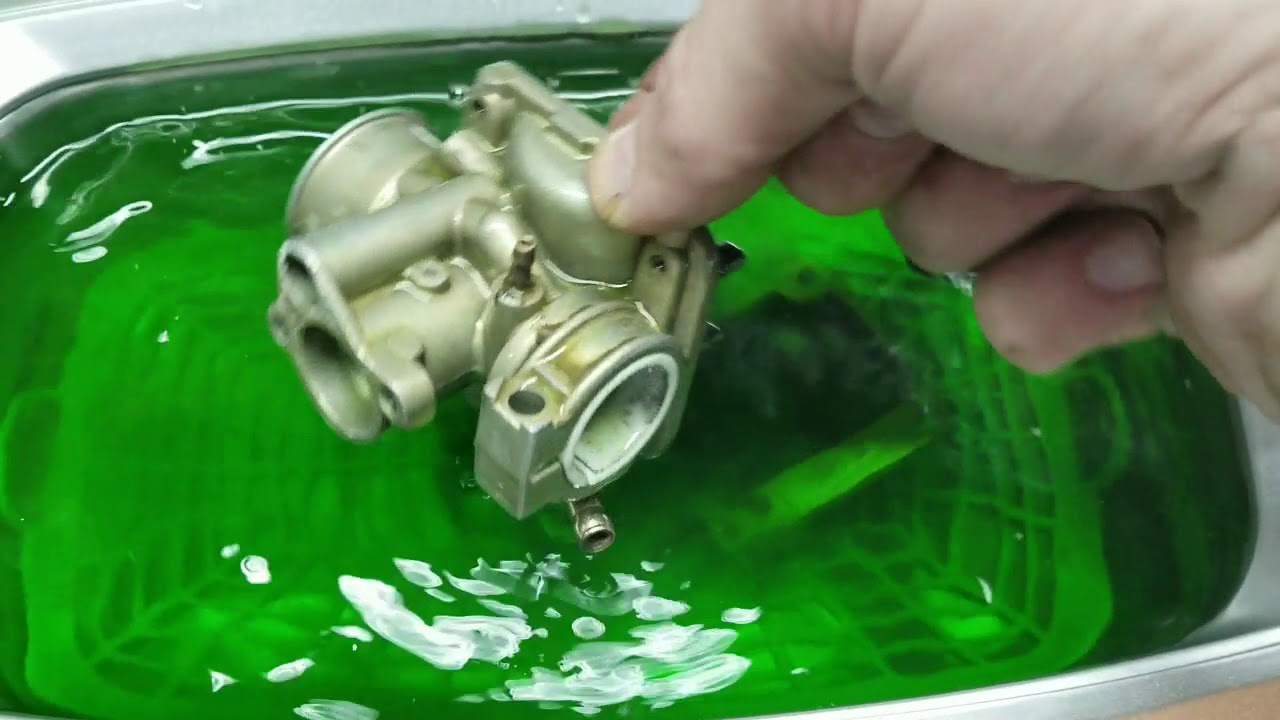
Next, prepare the cleaning solution. Choose the right solution. Mix it with water. Follow the instructions. Pour the solution into the ultrasonic cleaner.
Step 3: Place The Parts In The Cleaner
Put the carburetor parts in the cleaner. Make sure all parts are submerged. Do not overcrowd the cleaner. Leave space for the solution to move.
Step 4: Set The Timer
Set the timer on the cleaner. The time depends on the dirt level. Start with 10 minutes. Check the parts. Repeat if needed.
Step 5: Rinse And Dry The Parts
After cleaning, rinse the parts with water. Remove any remaining solution. Dry the parts completely. Use a clean cloth or air dry.
Step 6: Reassemble The Carburetor
Finally, put the carburetor back together. Make sure all parts are in place. Check for any missing parts.
Tips for Better Cleaning
- Use warm water. It improves cleaning.
- Do not use harsh chemicals. They can damage the metal.
- Clean the ultrasonic cleaner regularly. Remove any residue.
- Use a basket. It keeps parts from touching the cleaner’s bottom.
Safety Precautions
Always follow safety precautions. They protect you and your equipment.
- Wear gloves. They protect your hands from chemicals.
- Work in a well-ventilated area. Some solutions may have fumes.
- Do not touch the cleaner while it is running.
- Turn off the cleaner before removing parts.
Frequently Asked Questions
What Should I Put In An Ultrasonic Cleaner For Carburetors?
Use a mix of water and a special ultrasonic cleaning solution. It works best.
Can I Use Just Water In An Ultrasonic Cleaner?
Plain water can clean, but a cleaning solution is more effective for carburetors.
How Long Should I Clean A Carburetor In An Ultrasonic Cleaner?
Clean the carburetor for about 20-30 minutes for best results.
What Cleaning Solution Is Best For Carburetors?
Use a biodegradable, non-toxic ultrasonic cleaning solution made for carburetors.
Conclusion
Cleaning carburetors is important. It keeps your engine running well. Ultrasonic cleaners make cleaning easy. Choose the right solution. Follow the steps. Your carburetor will be clean and efficient.
Related posts:
 What Liquid to Use in Ultrasonic Cleaner for Jewelry: A Complete Guide
 Can Sapphires Be Cleaned in an Ultrasonic Cleaner: Expert Guide
 What Liquid to Use in an Ultrasonic Cleaner: Best Solutions Revealed
 Can You Clean Pandora in an Ultrasonic Cleaner? Discover How
 How to Use an Ultrasonic Cleaner for Jewelry: Expert Tips
 Can Aquamarine Go in an Ultrasonic Cleaner? Expert Insights
 Can You Use Vinegar in an Ultrasonic Cleaner? Expert Insights
 Can You Put Dentures in an Ultrasonic Cleaner? Expert Guide