
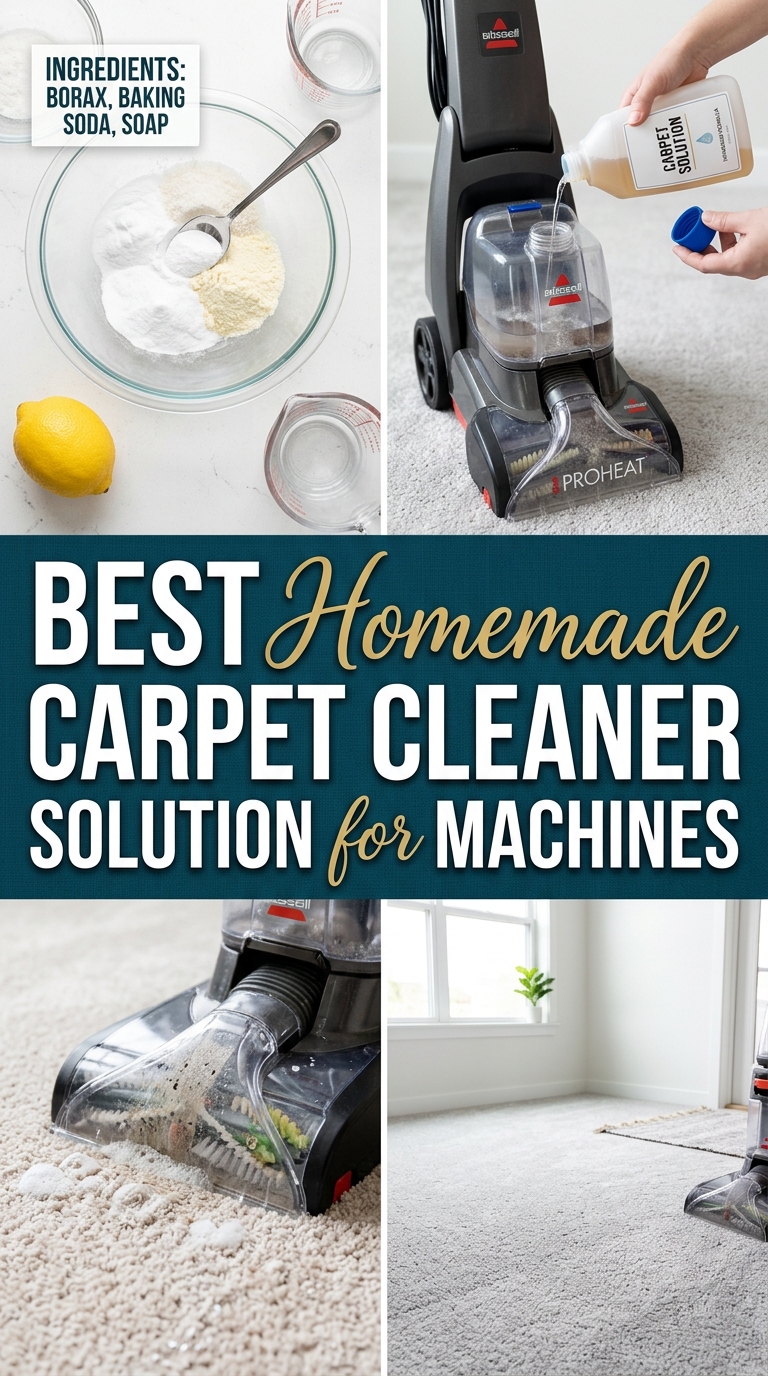
Most commercial carpet shampoos are surprisingly expensive and often leave behind a sticky residue that actually attracts more dirt over time. You can make the best homemade carpet cleaner solution for machines by mixing one-quarter cup of 3% hydrogen peroxide, one tablespoon of clear dish soap, and one tablespoon of white vinegar into a gallon of hot water. This specific combination breaks down organic stains and oils without creating excessive foam that could damage your machine’s motor.
| Product | Best For | Key Features | Pros | Cons |
|---|---|---|---|---|
| Dr. Bronner’s Sal Suds | Overall DIY Base | Plant-based, low sudsing, highly concentrated. | Incredible grease cutting, safe for most machines. | Requires careful measuring to avoid bubbles. |
| 3% Hydrogen Peroxide | Stain Removal | Oxygen-based whitening, non-toxic. | Lifts organic stains like wine or blood. | Can bleach dark carpets if not diluted. |
| Zep Liquid Defoamer | Machine Longevity | Concentrated anti-foam formula. | Prevents motor damage from DIY bubbles. | Extra step in the cleaning process. |
| OxiClean Versatile Powder | Deep Cleaning | Oxygenated mineral crystals. | Removes set-in odors and tough spots. | Must be fully dissolved to avoid clogs. |
| Lucy’s White Vinegar | Pet Odors & Rinsing | Natural acid, high purity. | Removes soap buildup and neutralizes urine. | Strong temporary scent during use. |
1. Dr. Bronner’s Sal Suds Biodegradable Cleaner
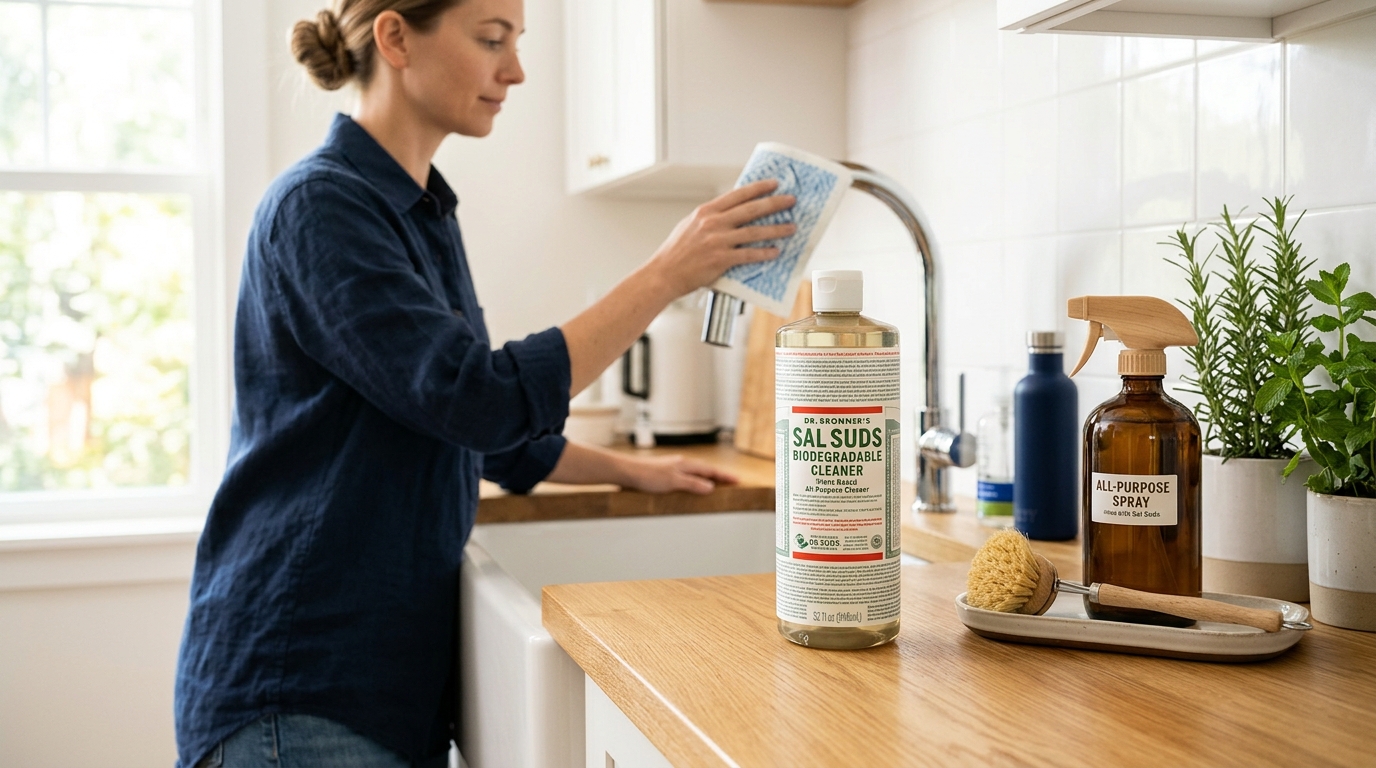
If you are tired of the chemical smell of store-bought cleaners, this is the most reliable base for any homemade solution. Most people mistake this for regular castile soap, but Sal Suds is actually a tough-acting detergent designed specifically to cut through grease and grime on hard and soft surfaces alike. It is the secret ingredient for DIY enthusiasts because it rinses much cleaner than standard dish soap, which is vital when you are trying to avoid that “crunchy” carpet feel after it dries.
Performance & Build Quality
This cleaner is a concentrated formula that uses plant-based surfactants to lift dirt. Unlike many DIY soap options, it doesn’t leave a film. It is exceptionally stable and won’t separate when mixed with hot water and other additives like vinegar. The build quality of the product itself is high-density; a single bottle can make dozens of gallons of carpet solution, making it a sustainable choice for those who clean their floors frequently.
Real-World Experience
Imagine you have a small apartment with high-traffic areas near the entry. Owners often mention that using just a drop of this in their machine’s tank makes the water turn black with lifted dirt that other soaps missed. A common complaint is that it is easy to over-pour; if you use more than a tablespoon per gallon, your machine might start spitting foam. To live with this, always use a measuring spoon rather than “eyeballing” the amount. Users frequently report that their carpets feel softer after using this compared to traditional blue dish soaps.
Ease of Use & Value for Money
Because it is so concentrated, the value is unbeatable. You are essentially paying for the active ingredients rather than the water found in pre-mixed shampoos. It stores easily in small cabinets, which is a huge plus for those living in condos or smaller homes. The only learning curve is finding the exact “sweet spot” for your specific machine’s water tank capacity.
Who Should Buy It (and Who Should Skip)
You should buy this if you want a versatile, non-toxic base that works in Bissell or Hoover machines without clogging the lines. It is perfect for families with crawling toddlers or pets. Skip it if you prefer a “set it and forget it” pre-mixed solution and don’t want to spend three minutes mixing your own batch before each use.
Overall Verdict
This is the best all-around detergent base for homemade solutions because it balances cleaning power with a clean rinse. It fixes the problem of sticky residue better than almost any other DIY soap option.
2. 3% Hydrogen Peroxide
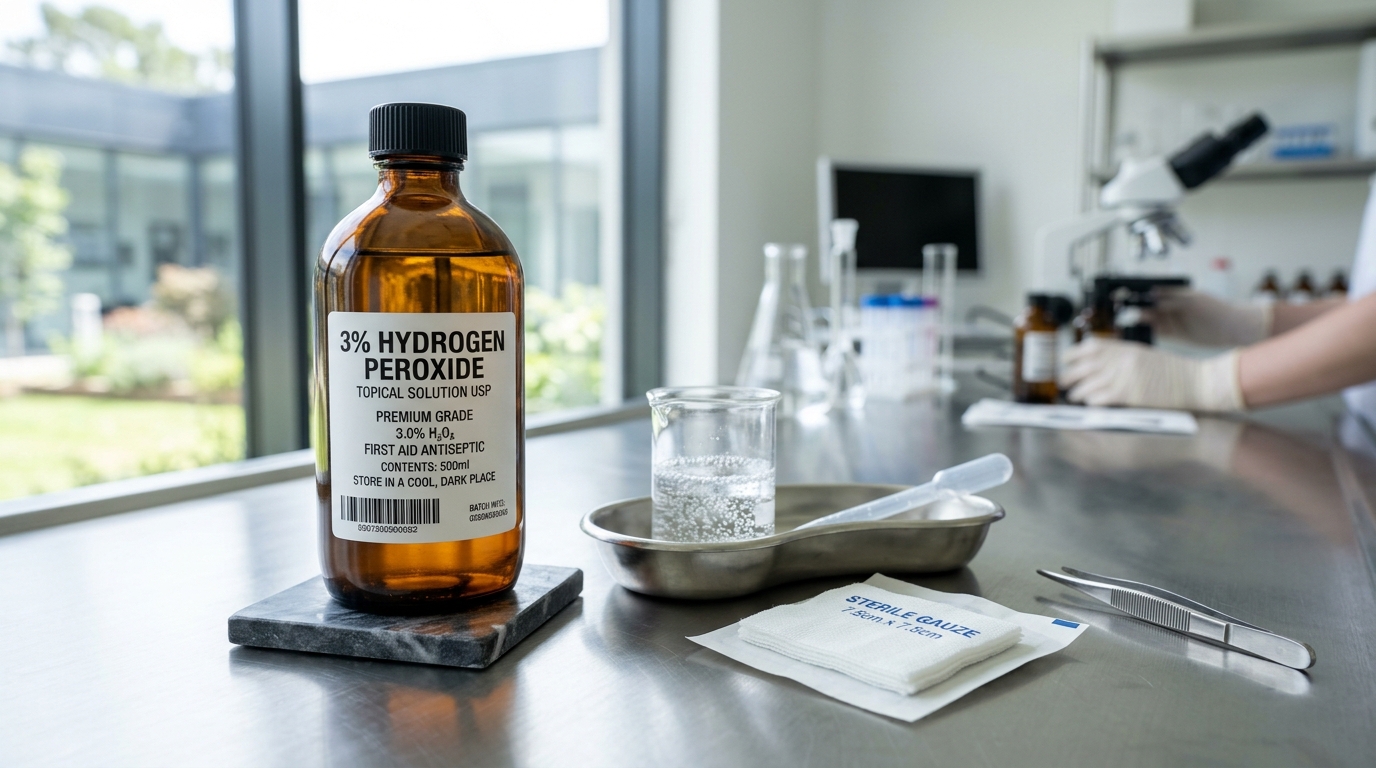
Hydrogen peroxide is the heavy hitter for anyone dealing with light-colored carpets that have lost their luster. Have you ever noticed how some stains seem to disappear when wet only to return when the carpet dries? This occurs because the bacteria or pigment wasn’t actually removed. Peroxide acts as a mild, color-safe oxygen bleach that physically breaks down the molecular bond of the stain, effectively “erasing” it from the fibers while you extract the water.
Performance & Build Quality
The performance here is focused on oxidation. When added to a machine solution, it helps brighten the overall “grayness” of high-traffic paths. It is typically sold in brown bottles to protect its stability, as light breaks it down into water. When mixing this into your machine, it provides a chemical reaction that creates tiny bubbles, helping to lift debris from the bottom of the carpet pile to the surface where the vacuum can reach it.
Real-World Experience
Think about a Sunday afternoon where a glass of red wine or a muddy paw print hits your beige rug. Owners often mention that adding half a cup of peroxide to their homemade mix is the only thing that stopped a permanent shadow from forming. A common complaint is the fear of bleaching. While 3% is generally safe, users frequently report that they always do a “spot test” in a closet first. It works wonders on organic odors as well, making it a favorite for those with older pets.
Ease of Use & Value for Money
It is incredibly inexpensive and available almost everywhere. In terms of value, it replaces expensive “oxygen-boost” additives sold by machine manufacturers. Since you only need a small amount per tank, a standard bottle lasts for several deep-cleaning sessions. It is easy to store, though it should be kept in its original dark bottle until you are ready to mix and use it immediately.
Who Should Buy It (and Who Should Skip)
Buy this if you have white, cream, or light gray carpets that look dingy. It is a must-have for protein-based stains like blood or pet accidents. You should skip this if you have very dark or delicate silk rugs, as the oxidation process can be too aggressive for certain unstable dyes.
Overall Verdict
This is the most effective brightening agent for DIY solutions. It provides professional-level stain lifting for a fraction of the cost of “pro” chemicals.
3. Zep Liquid Defoamer
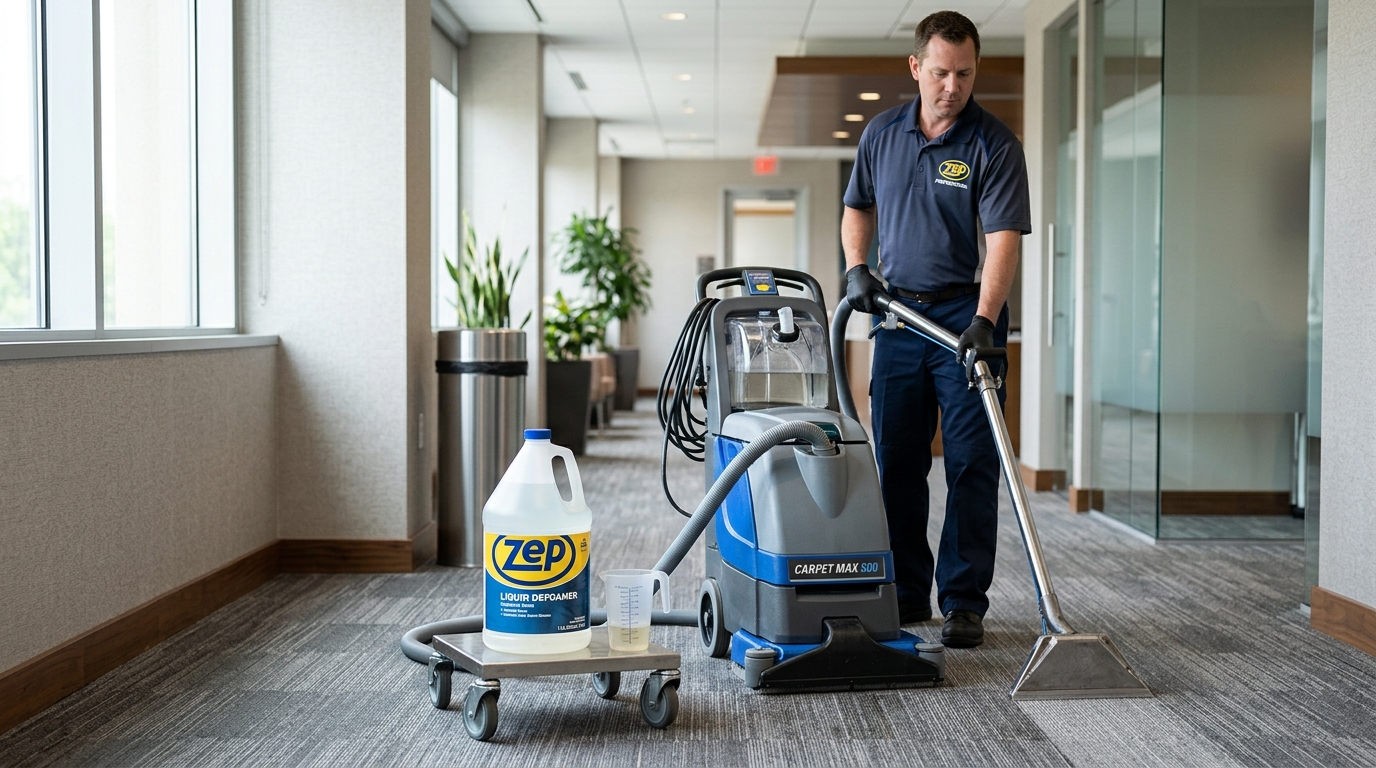
The biggest risk of using homemade carpet cleaner solutions in machines is excessive foam. Most household soaps are designed to create suds, but carpet extractors are not. If foam reaches the motor, it can cause a short circuit or permanent damage. Adding a professional-grade defoamer to your recovery tank (the tank that holds the dirty water) allows you to use effective homemade soaps without worrying about “suds-lock” or a messy overflow on your floors.
Performance & Build Quality
This is a silicone-based emulsion that breaks surface tension instantly. The build quality is industrial-grade, meaning you only need a tiny amount (about a capful) to neutralize a massive amount of foam. It doesn’t interact with the cleaning side of the process; instead, it waits in the dirty water tank to flatten the bubbles as they are sucked up through the nozzle.
Real-World Experience
Imagine you are halfway through cleaning a large room and suddenly the machine starts making a high-pitched whine—that is usually foam hitting the float valve. Owners often mention that using this defoamer allowed them to finish the whole house without stopping to empty the tank every five minutes. A common complaint is that it feels like an “extra” expense. However, users frequently report that it saved their machine from a costly repair after they accidentally used too much dish soap in their DIY recipe.
Ease of Use & Value for Money
It is very simple: just pour a small amount into the waste tank before you start. The value for money is high because a single gallon will likely last the lifetime of your carpet cleaning machine. It solves the primary technical hurdle of DIY cleaning—managing the air-to-liquid ratio in the vacuum system.
Who Should Buy It (and Who Should Skip)
You should buy this if you are using any recipe that includes dish soap, laundry detergent, or Sal Suds. It is insurance for your machine. You can skip it if your homemade recipe is strictly vinegar and water, as those ingredients do not create foam.
Overall Verdict
While not a “cleaner” itself, this is the most important companion for any homemade solution. It ensures your DIY efforts don’t end in a broken machine.
4. OxiClean Versatile Stain Remover Powder
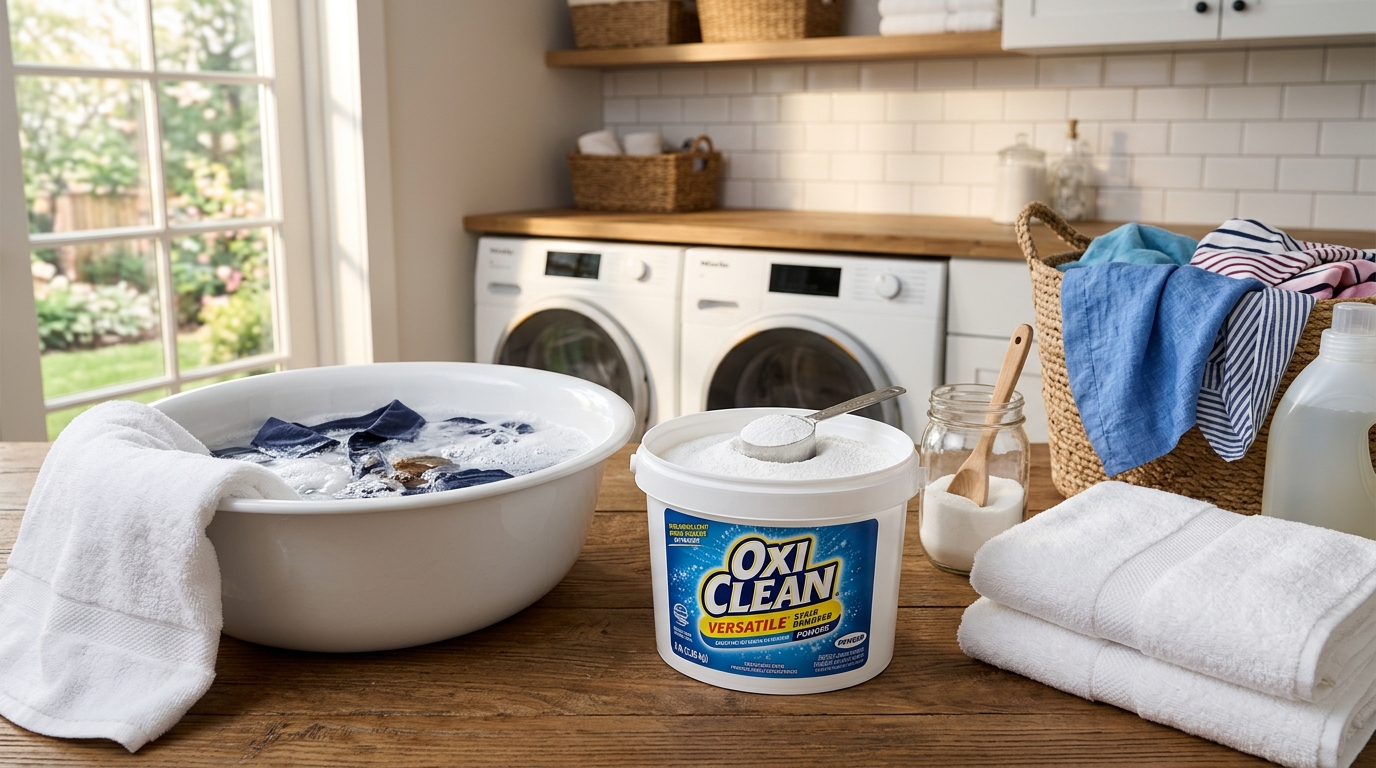
When a carpet hasn’t been cleaned in years, a liquid-only solution might not be enough. This oxygen-based powder is the gold standard for boosting a homemade machine mix. It works by releasing oxygen when it hits hot water, which creates a bubbling action that reaches deep into the carpet backing. It is particularly effective at removing the “old house” smell that often lingers in carpets in small, poorly ventilated rooms.
Performance & Build Quality
The powder is formulated with sodium percarbonate, which breaks down into hydrogen peroxide and soda ash. This provides both a bleaching effect and a pH boost to help strip away oils. The performance is most noticeable on tough, set-in grime. Because it is a powder, it has an almost indefinite shelf life if kept dry, making it a great staple for a small storage closet.
Real-World Experience
Imagine moving into a new place where the previous tenants left “mystery” shadows on the bedroom carpet. Owners often mention that dissolving a scoop of this in very hot water before adding it to the machine tank was the only thing that worked. A common complaint is that if you don’t dissolve it completely in a separate jar first, the undissolved crystals can clog the spray tips of your machine. To live with this, always mix it in a quart of boiling water first to ensure it is a clear liquid before pouring it into the carpet cleaner.
Ease of Use & Value for Money
There is a bit of a process to get it dissolved, so it isn’t as fast as a liquid. However, the value is exceptional because it acts as a pre-treater and a machine additive in one. It is much cheaper than buying specialized “heavy duty” carpet concentrates.
Who Should Buy It (and Who Should Skip)
Buy this if you are tackling a “disaster” carpet or if you have heavy odors from smoke or cooking. It is the best choice for deep restoration. Skip it if you are just doing a light maintenance clean, as the high pH can be overkill for lightly soiled rugs.
Overall Verdict
For deep-seated dirt that liquid soaps can’t touch, this is the most powerful additive you can put in your machine. Just remember to dissolve it thoroughly first.
5. Lucy’s White Vinegar
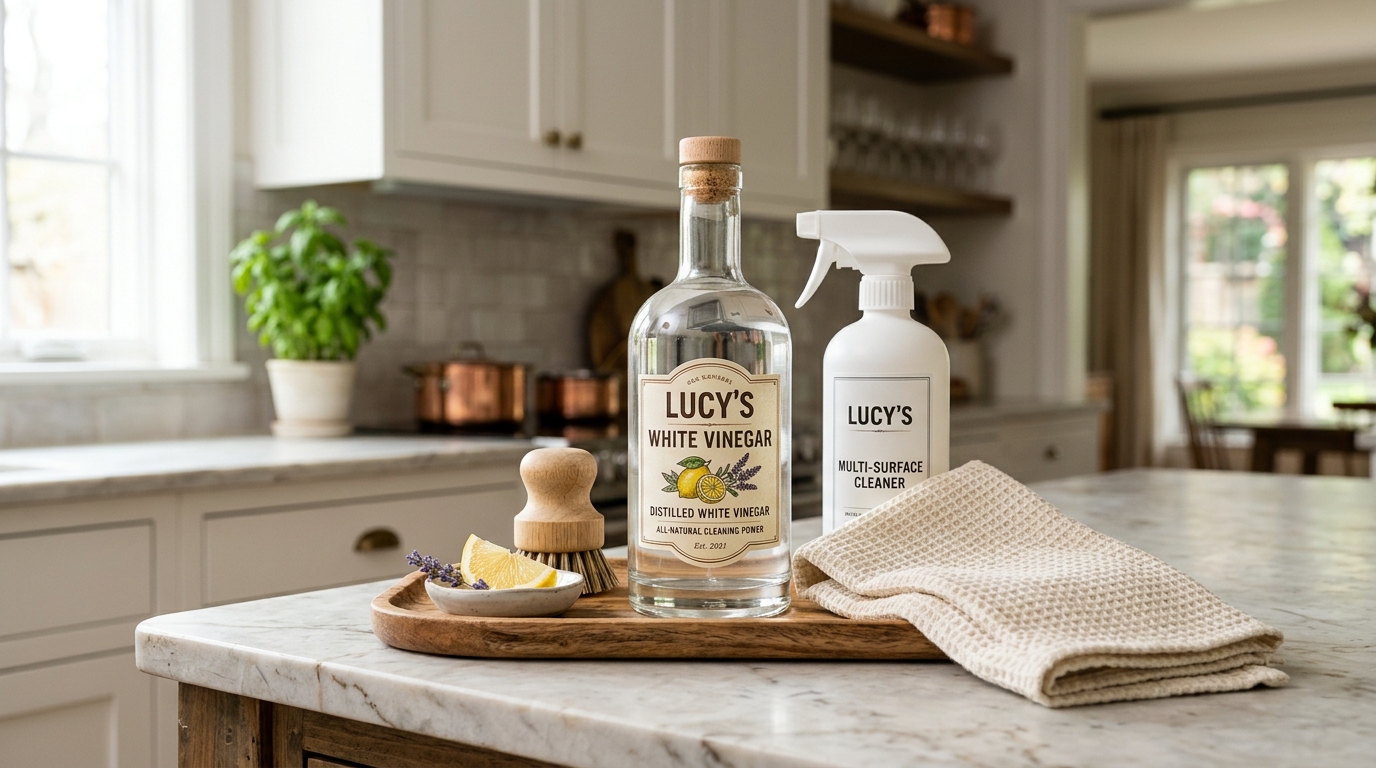
Vinegar is the most misunderstood tool in the carpet cleaning arsenal. While it isn’t a powerful degreaser on its own, it is the ultimate “rinse aid.” Most people find that after they clean their carpets, the fibers feel stiff. This is because soap is alkaline. Vinegar is acidic, so it neutralizes the soap pH and leaves the carpet feeling soft. It is also a natural deodorizer that effectively kills the bacteria that cause pet urine smells.
Performance & Build Quality
This is a high-purity, food-grade vinegar that contains no dyes or sediment. Its performance comes from its 5% acidity, which is just enough to break down mineral deposits in your machine’s spray jets while also softening the water. This helps prevent the “clogging” that often plagues older carpet cleaning machines.
Real-World Experience
Think of a small, humid basement where the carpet always smells a bit musty. Owners often mention that doing a final pass with just vinegar and water eliminated the smell entirely. A common complaint is the vinegar scent while the carpet is damp. However, users frequently report that the smell disappears completely within an hour, taking the bad odors with it. It is particularly effective for households where someone is sensitive to artificial fragrances.
Ease of Use & Value for Money
It is as easy as it gets: pour and go. Since you can buy it in large gallon jugs, the cost per use is pennies. It is arguably the most cost-effective liquid you can put in your machine. It also helps maintain the machine’s internal parts by preventing hard water buildup.
Who Should Buy It (and Who Should Skip)
You should buy this if you want the softest possible carpet and a natural way to handle pet odors. It is also great for people with allergies to perfumes. Skip it if you absolutely cannot stand the smell of vinegar for the 30 minutes it takes to dry.
Overall Verdict
Vinegar is the perfect finishing touch. It ensures your homemade cleaning efforts result in a carpet that feels as good as it looks.
How to Choose the Best Homemade Carpet Cleaner Ingredients
When you move away from expensive store-bought bottles, you have to think like a chemist. The goal of a homemade solution is to balance cleaning power, machine safety, and residue-free results. Most people fail because they use too much soap. In a carpet machine, the vacuum is the most important part; if you have too many bubbles, the vacuum cannot pull the water out of the carpet, leaving your floors soaked and prone to mold.
Always consider your carpet fiber type. Synthetic fibers like nylon and polyester are very durable and can handle most DIY recipes. However, natural fibers like wool or silk are easily damaged by high heat and acidic or highly alkaline solutions. For these, a very diluted vinegar rinse is often the only safe homemade option.
Factors That Truly Matter
- Sudsing Level: This is the number one machine killer. Always choose “low-sudsing” detergents like Sal Suds or use a defoamer. Never use laundry detergent or high-foam dish soaps like Dawn in large quantities.
- Water Temperature: Hot water (not boiling) helps activate the molecules in your homemade mix. Most machines have built-in heaters, but starting with hot tap water gives them a head start.
- Solubility: If you are using powders like baking soda or OxiClean, they must be 100% dissolved. Grains of powder will act like sandpaper inside your machine’s pump, eventually destroying it.
- pH Balance: Soap is alkaline. Vinegar is acidic. Using a vinegar rinse after a soap cleaning “balances” the carpet, which prevents it from attracting dirt later.
Common Mistakes to Avoid
The most frequent error is mixing baking soda and vinegar directly in the machine tank. While the “fizzing” looks like it is working, the two ingredients actually neutralize each other, leaving you with nothing but salty water that has no cleaning power. Instead, use them in separate steps: clean with a soap/alkaline mix first, then rinse with a vinegar/acidic mix.
Another mistake is forgetting to defoam. If you see bubbles coming out of the exhaust of your machine, stop immediately. This means foam has entered the motor. Empty the tank and add a defoamer or reduce the amount of soap in your next batch.
Frequently Asked Questions
Will homemade solutions void my carpet cleaner warranty?
Most manufacturers state that using anything other than their branded solution may void the warranty if the machine breaks. However, if you dilute your ingredients properly and use a defoamer, the machine is unlikely to suffer any damage. Many users find the cost savings worth the trade-off.
Can I use Dawn dish soap in my carpet machine?
You can use Dawn, but only in extremely small amounts—no more than one teaspoon per gallon of water. Dawn is formulated to create massive amounts of suds, which can easily overflow your machine’s recovery tank and damage the internal electronics.
How do I stop my carpet from feeling crunchy after DIY cleaning?
Crunchy carpet is caused by dried soap residue. To prevent this, perform a “rinse pass” with just hot water and a splash of white vinegar after you finish cleaning with your homemade soap solution. This removes the leftover detergent.
Is it safe to use essential oils in my homemade mix?
You can add 2-3 drops of essential oils like lemon or lavender for scent, but be cautious. Some oils can degrade plastic parts over time or leave oily spots on the carpet if not thoroughly mixed with a surfactant like dish soap.
Can I store my homemade carpet cleaner for later use?
It is best to mix only what you need. Ingredients like hydrogen peroxide lose their effectiveness quickly once mixed with water and exposed to light. Furthermore, homemade mixes lack the preservatives found in commercial products and can grow bacteria if left in the tank for weeks.
What is the best way to pre-treat stains with homemade solution?
Mix your solution in a spray bottle and apply it directly to the heavy stains 10 minutes before you run the machine. This “dwell time” allows the ingredients to break down the dirt, making the machine’s job much easier and more effective.
Which Homemade Solution is Right for You?
Finding the best homemade carpet cleaner solution for machines depends entirely on your specific home environment. If you are looking for the most reliable everyday cleaner that won’t leave a film, the Dr. Bronner’s Sal Suds base is the winner for its balance of power and safety. For those dealing with light-colored carpets and organic stains, adding Hydrogen Peroxide to your mix is the most effective way to restore brightness without harsh chemicals.
If your primary concern is pet odors and keeping the carpet soft, a simple Vinegar rinse is your best friend. For the heavy-duty deep cleans where the carpet feels “grimy” to the touch, boosting your liquid mix with OxiClean provides the oxygenated power needed for restoration. Regardless of which recipe you choose, always include a Defoamer in your waste tank to protect your machine’s motor. The one thing most people regret is not switching to homemade solutions sooner, as they often provide a cleaner, fresher result than the sticky, scented chemicals sold in stores.
